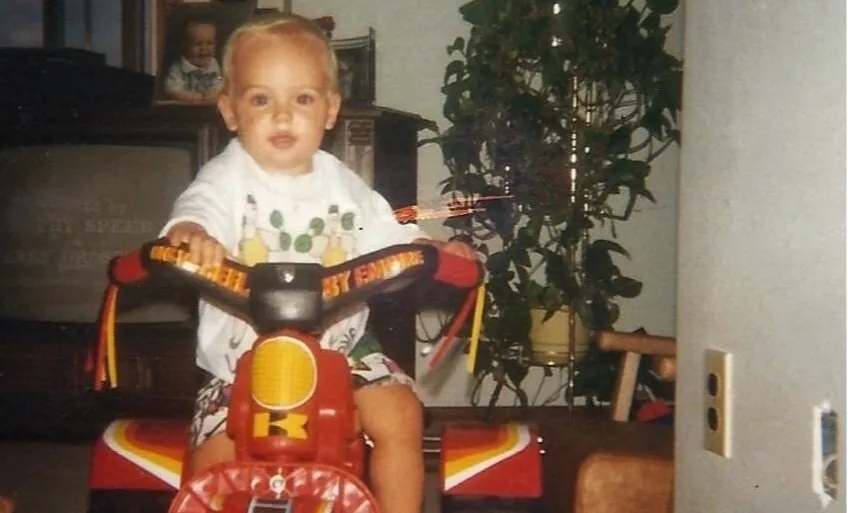
IGREWUPSPENDINGEVERYSINGLEDAYAROUNDTHINGSTHATWERELOUDANDFAST.
Motorcycles, snowmobiles, monster trucks, pretty much anything with an engine had my attention from the time I was a little kid.
I started riding and wrenching on my own stuff when I was around 5 years old and by 10 I was racing motocross and snowcross. I moved through the amateur ranks pretty quickly, won a bunch of races and championships, and by 15 I had stepped up into the pro class.
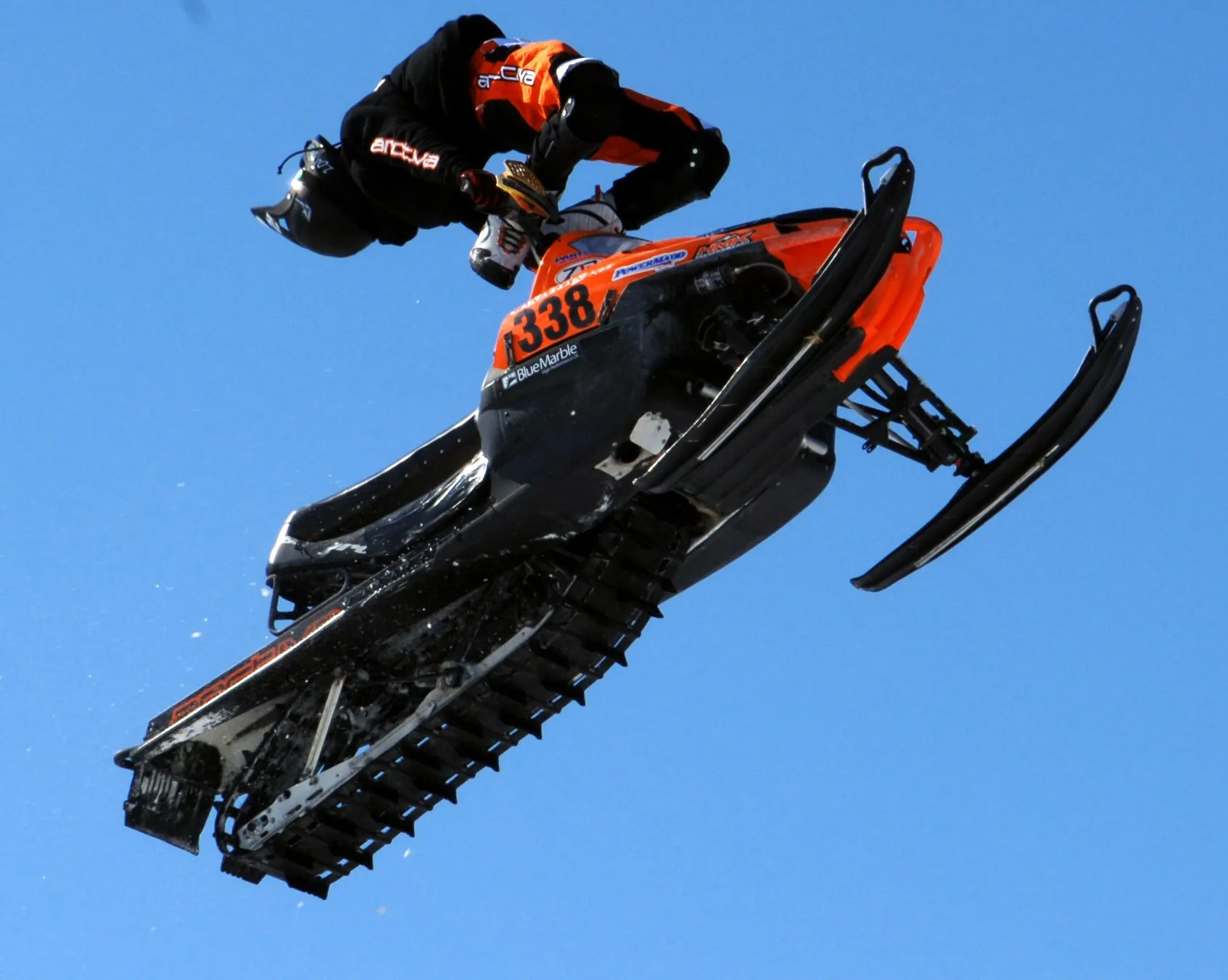
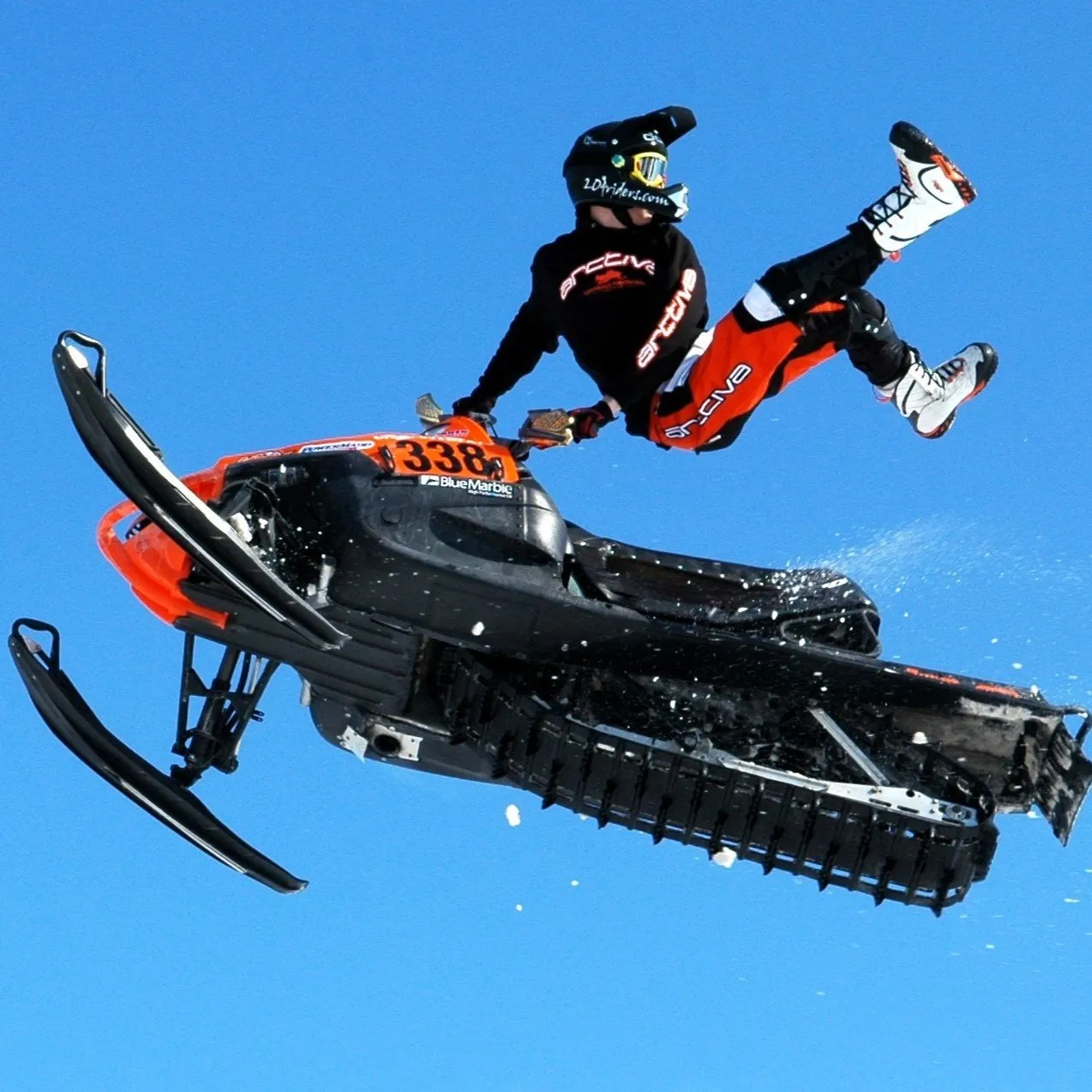
At the same time, freestyle motocross and freestyle snowmobiling were blowing up and I was completely obsessed with it. I grew up watching the original Crusty Demons of Dirt and Slednecks videos until the tapes probably could have caught fire. Then I'd go outside and try to do whatever I had just watched these guys that I looked up to did. Sometimes it went well, sometimes it didn't, but I loved every second of hitting bigger jumps and learning new tricks.
While I was still racing, I started entering halftime jump contests at local events and competing against guys twice my age. I was winning these contests...a lot. As much as I loved racing, freestyle was what I really wanted to do.
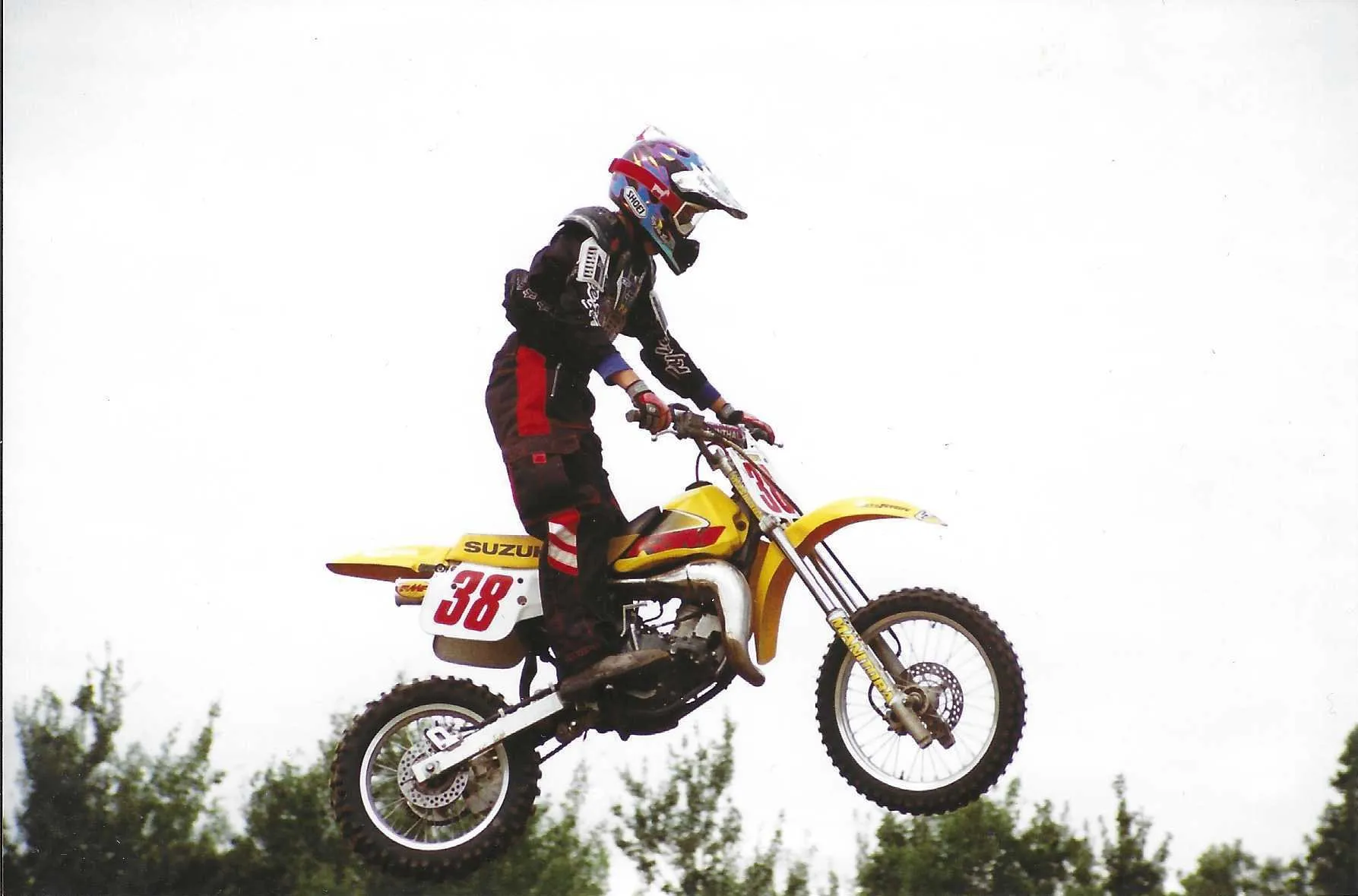
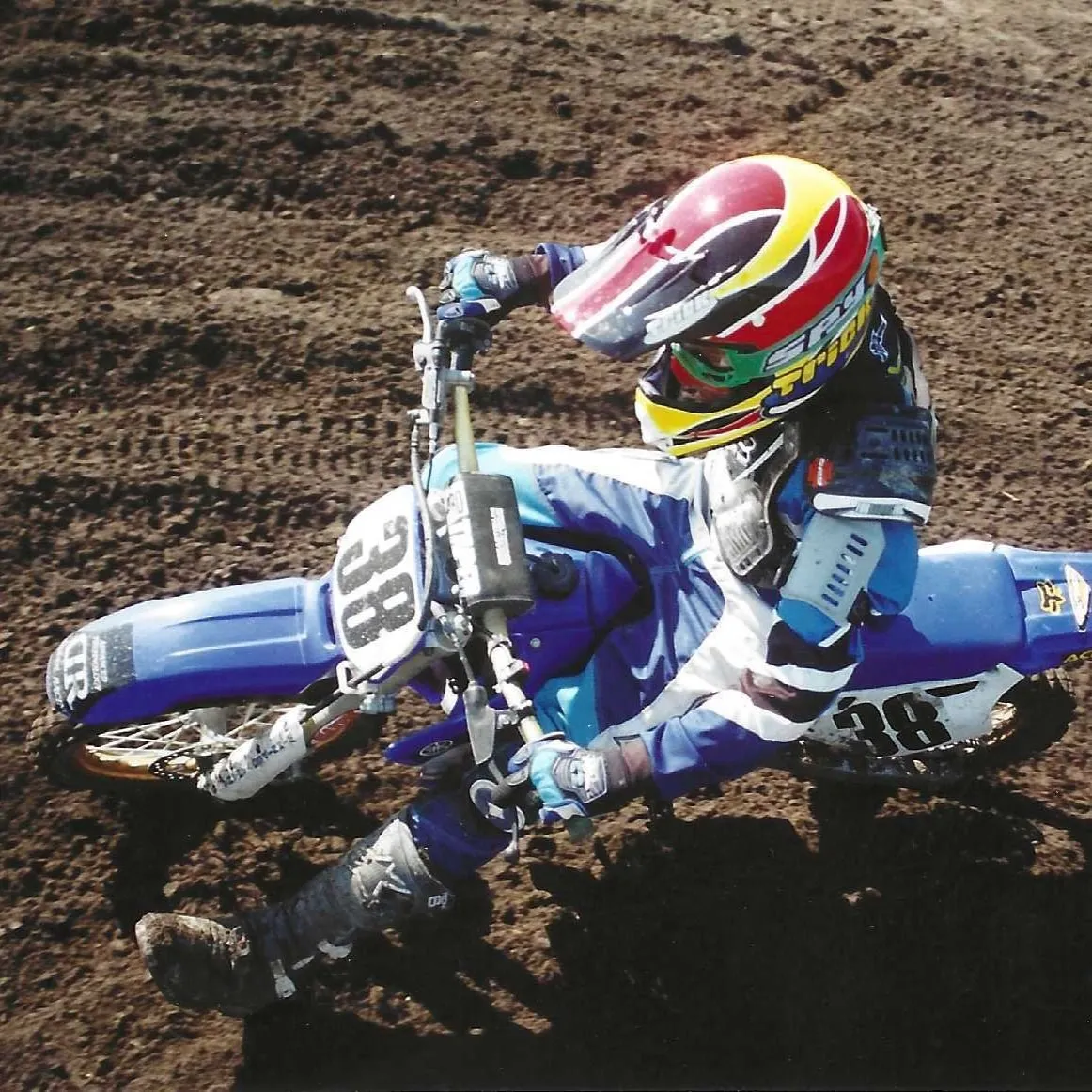
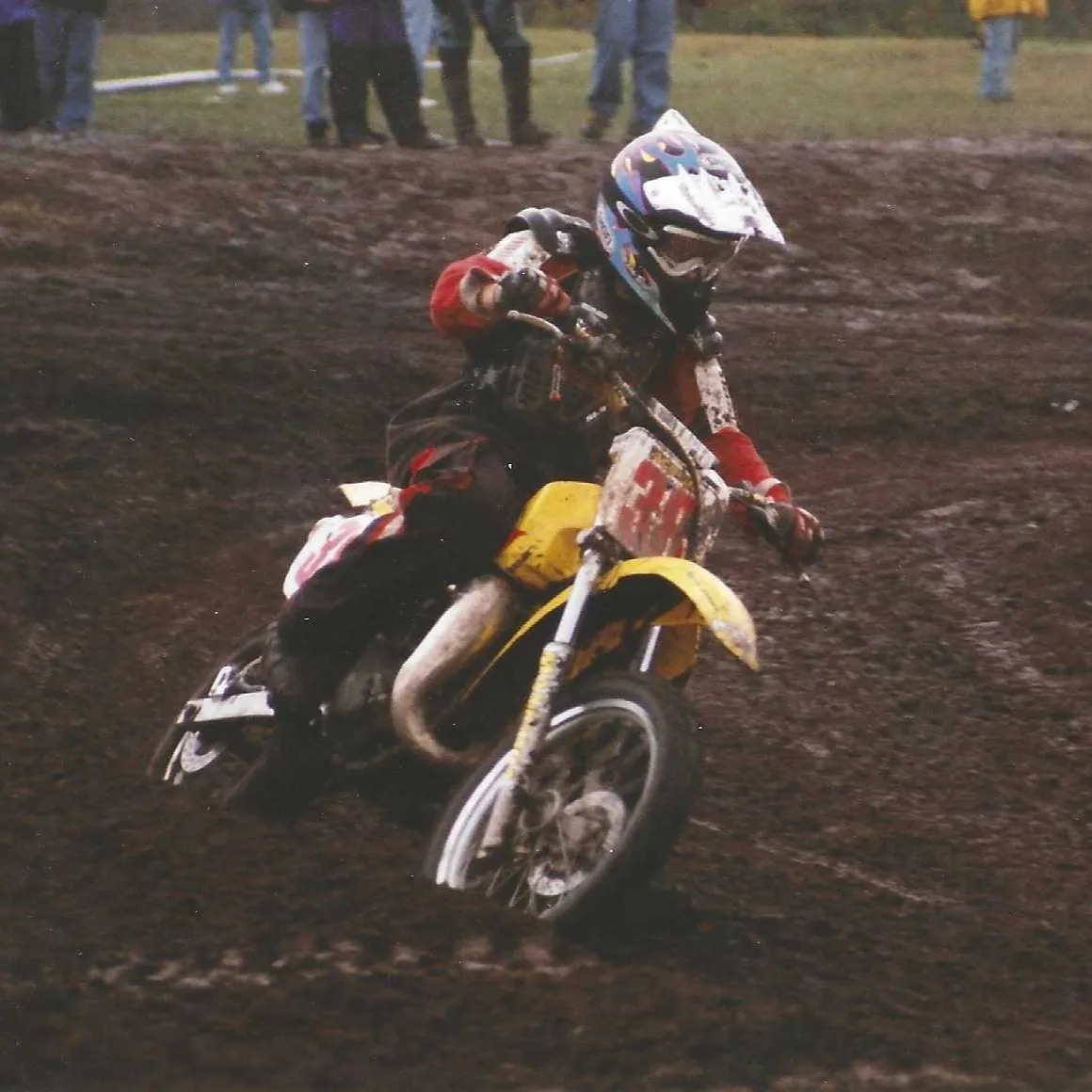
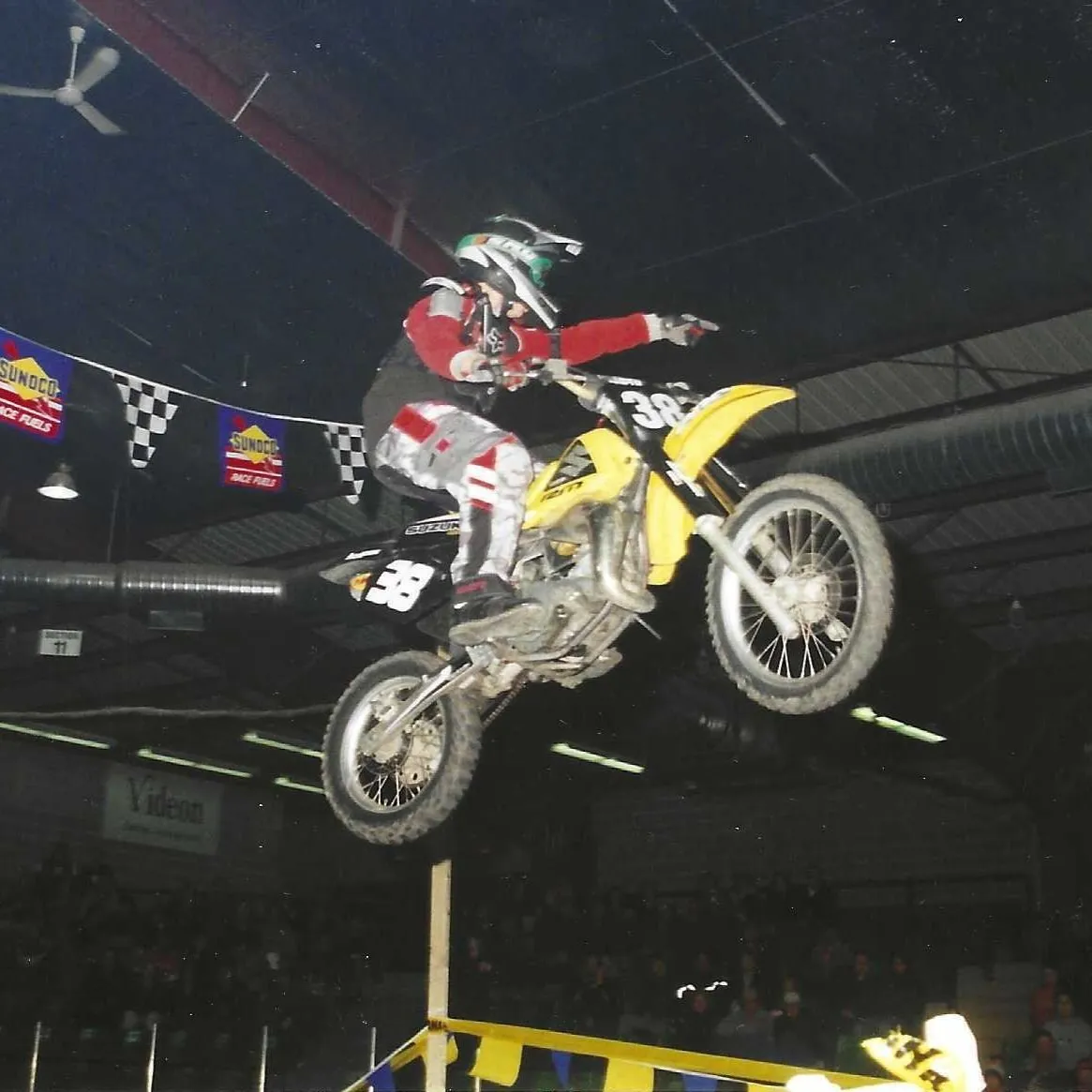
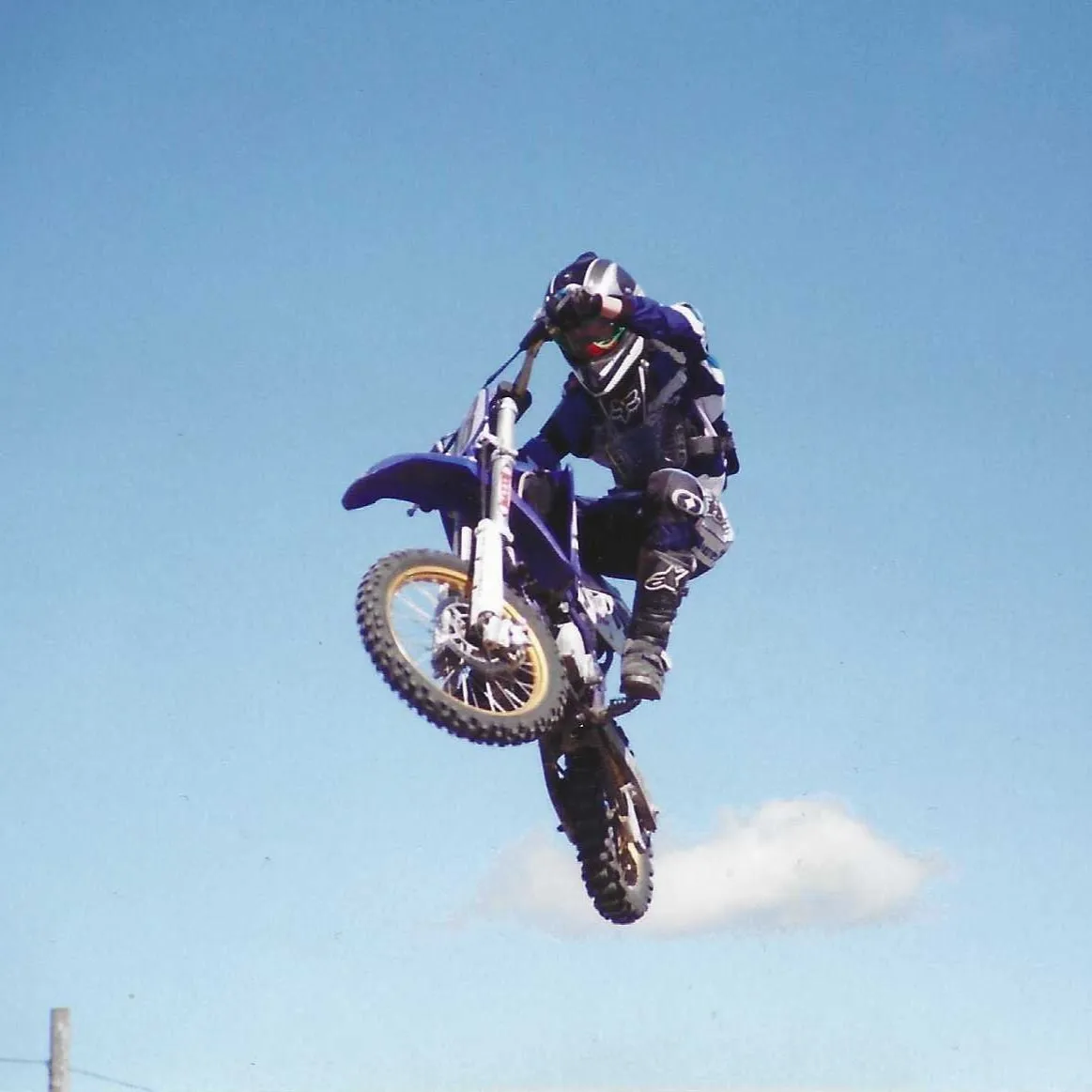
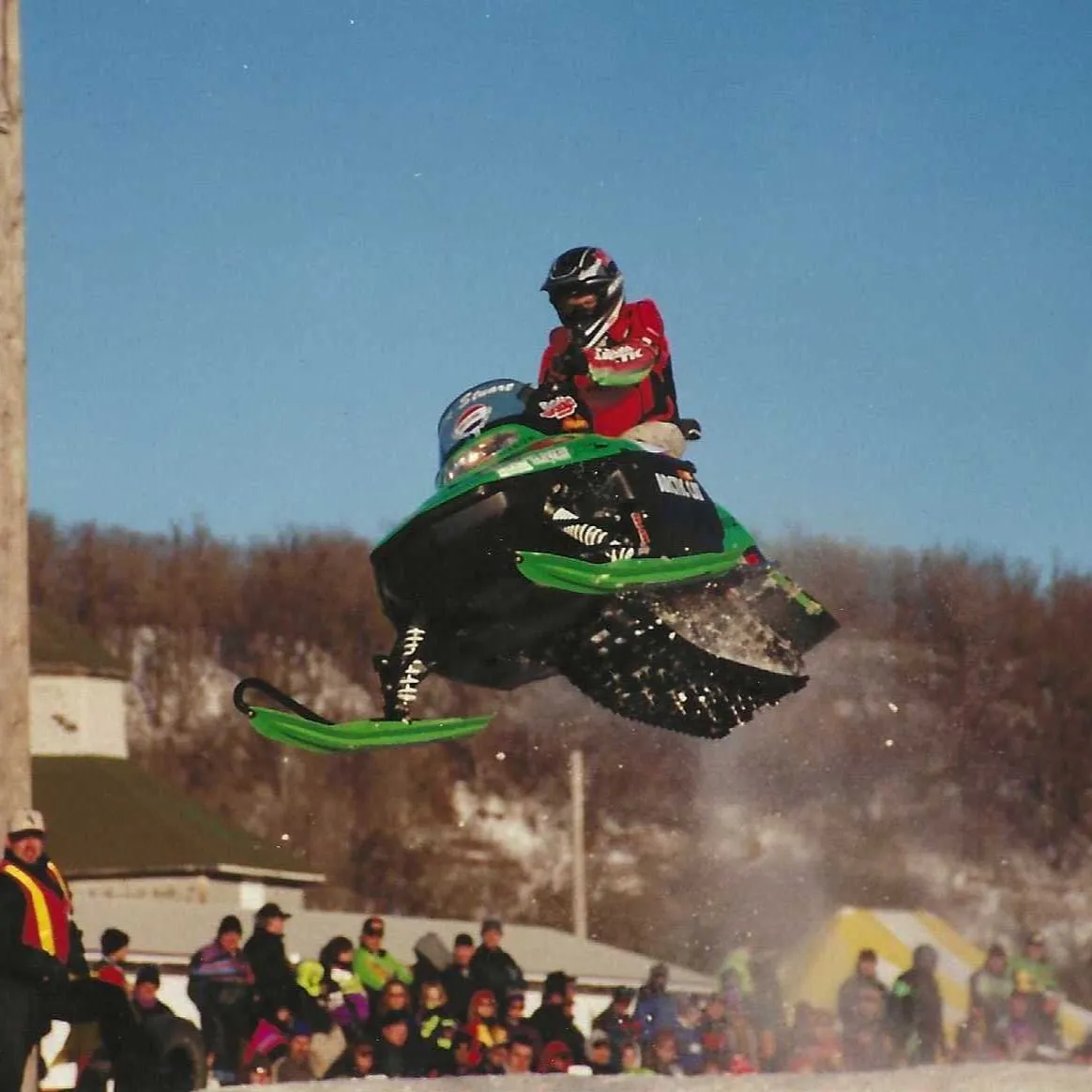
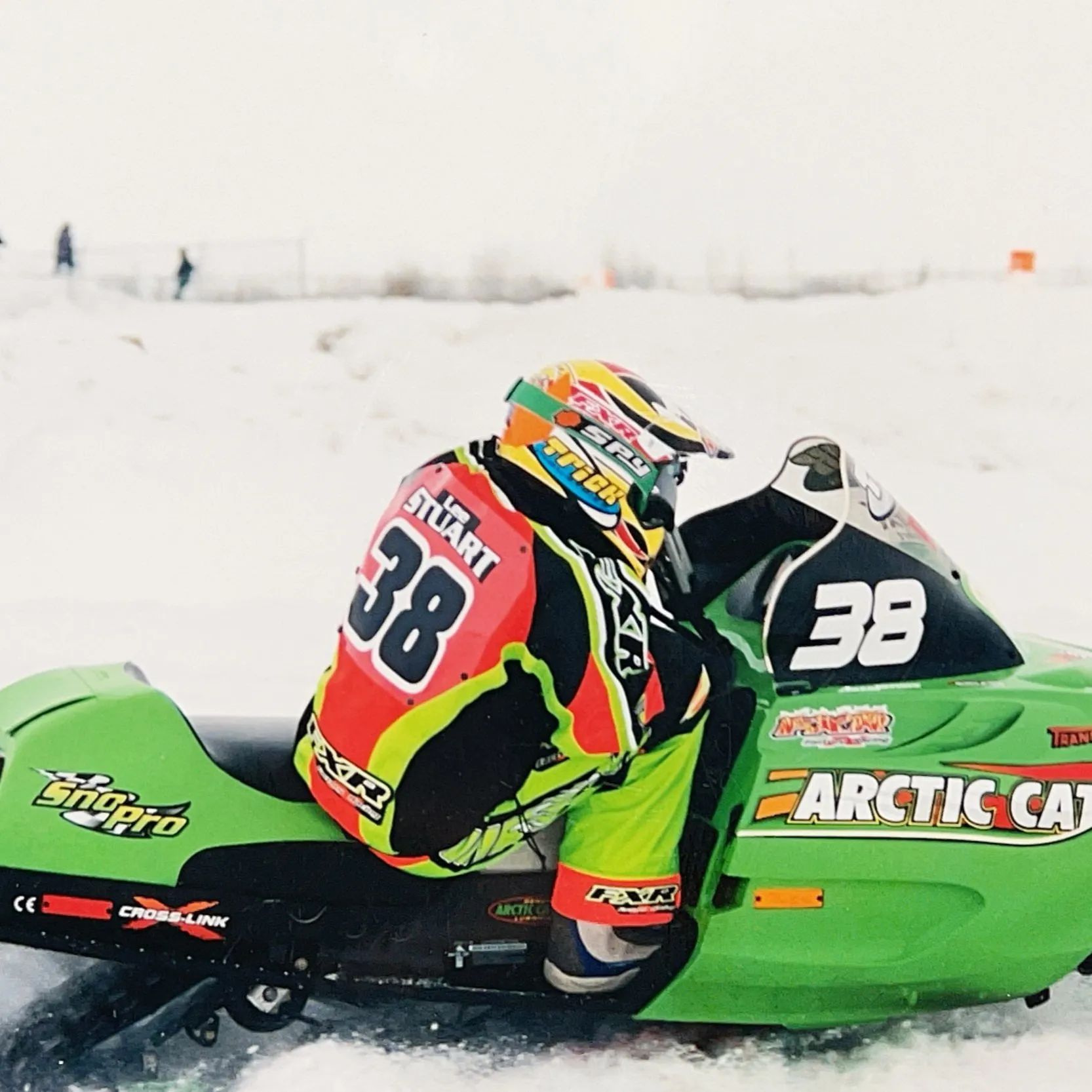
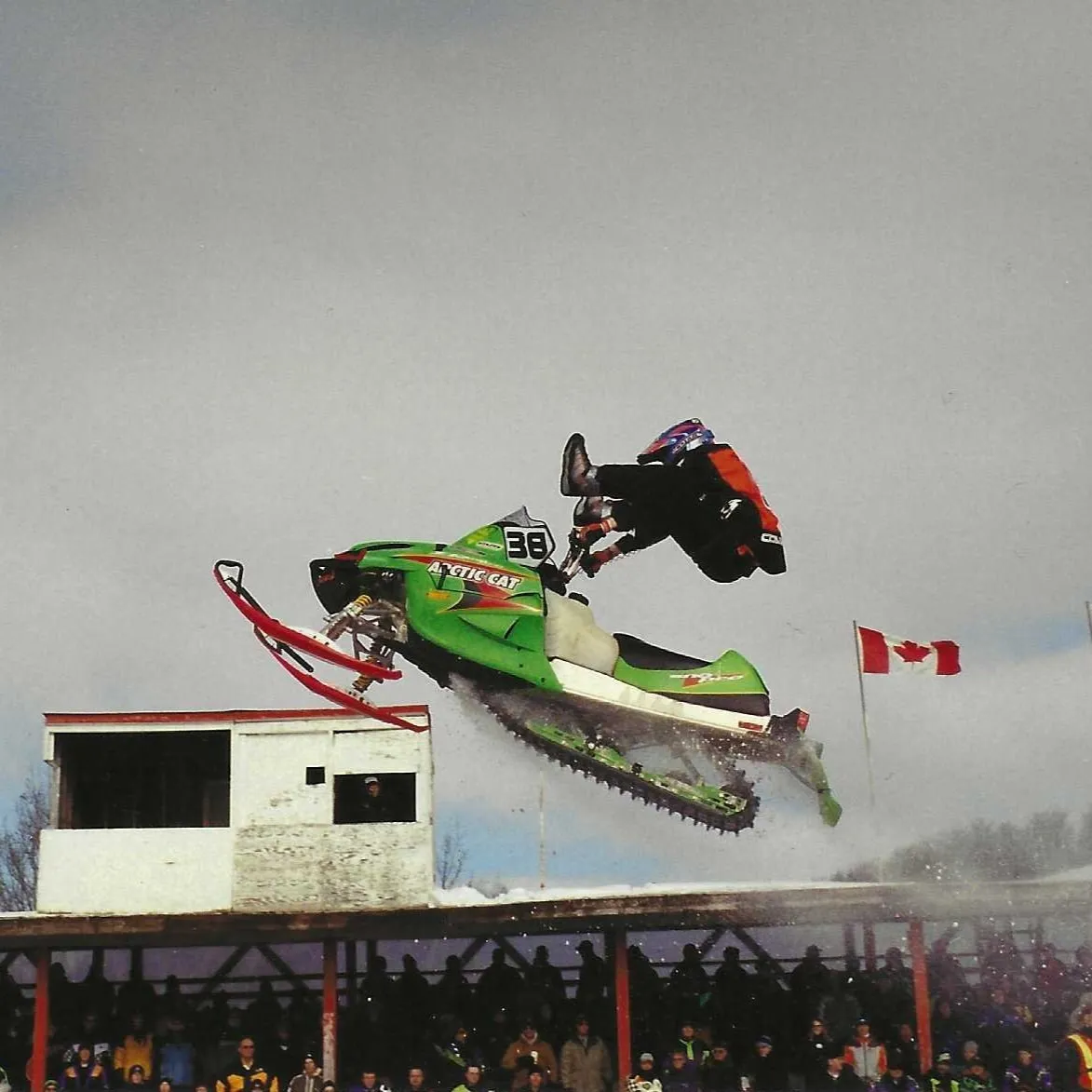
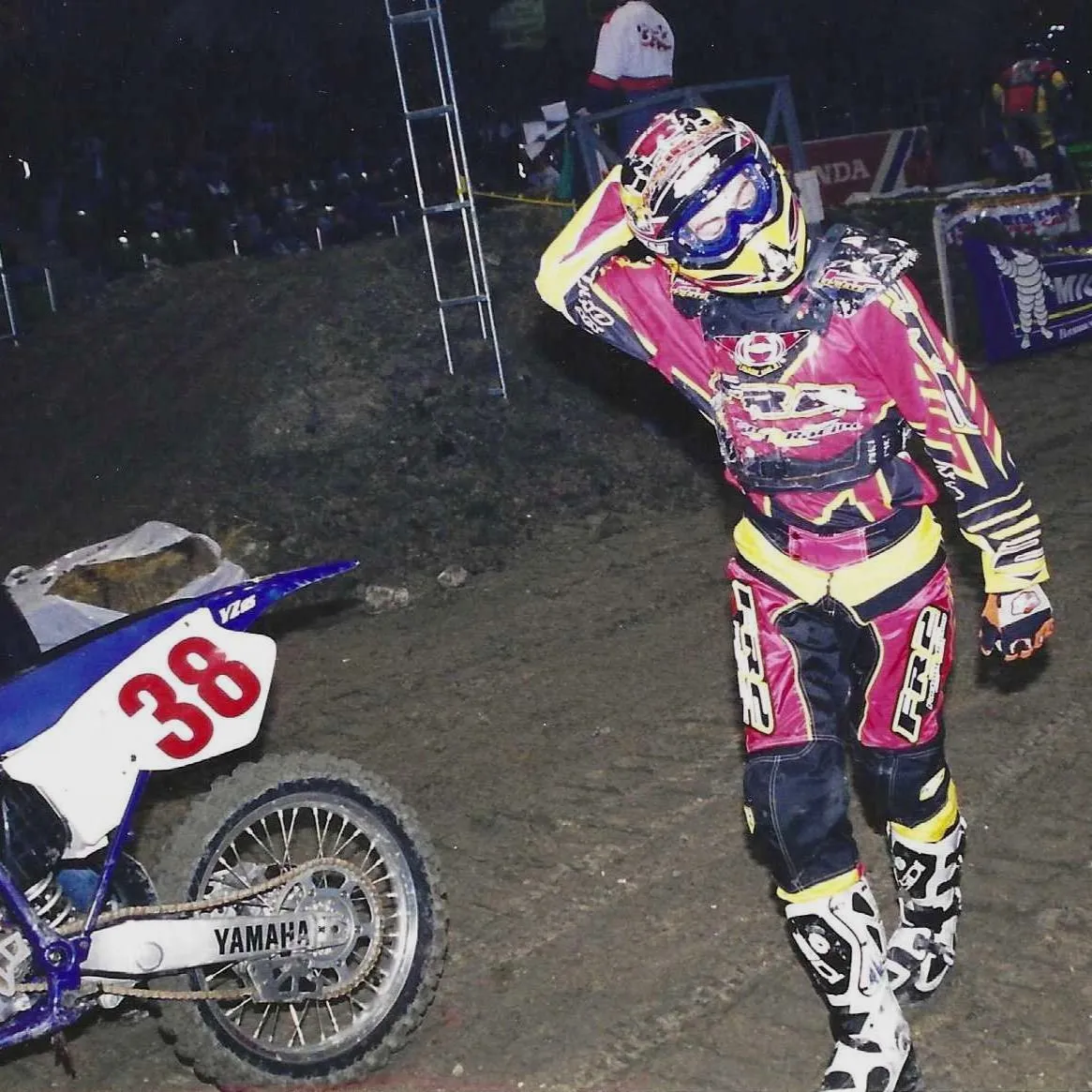
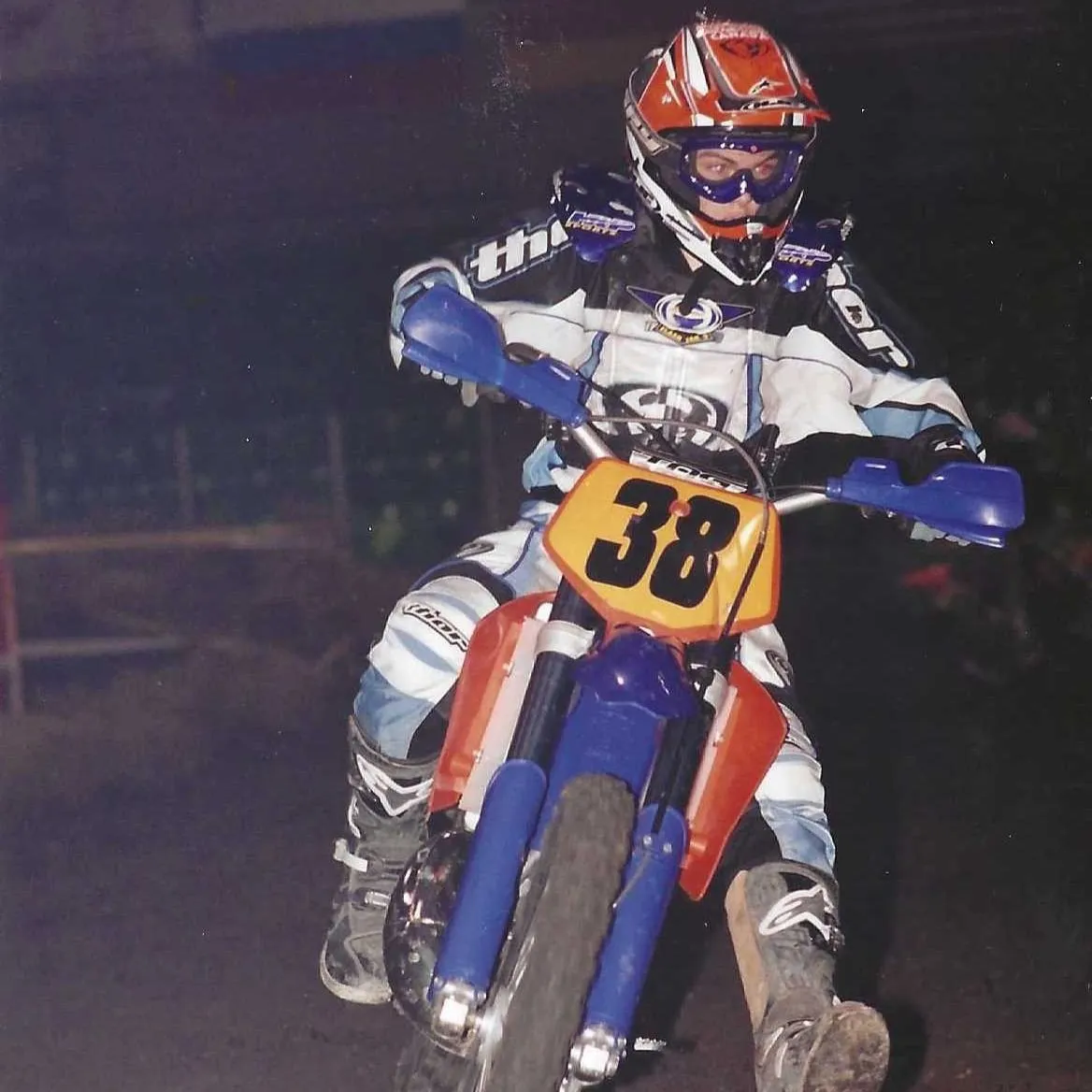
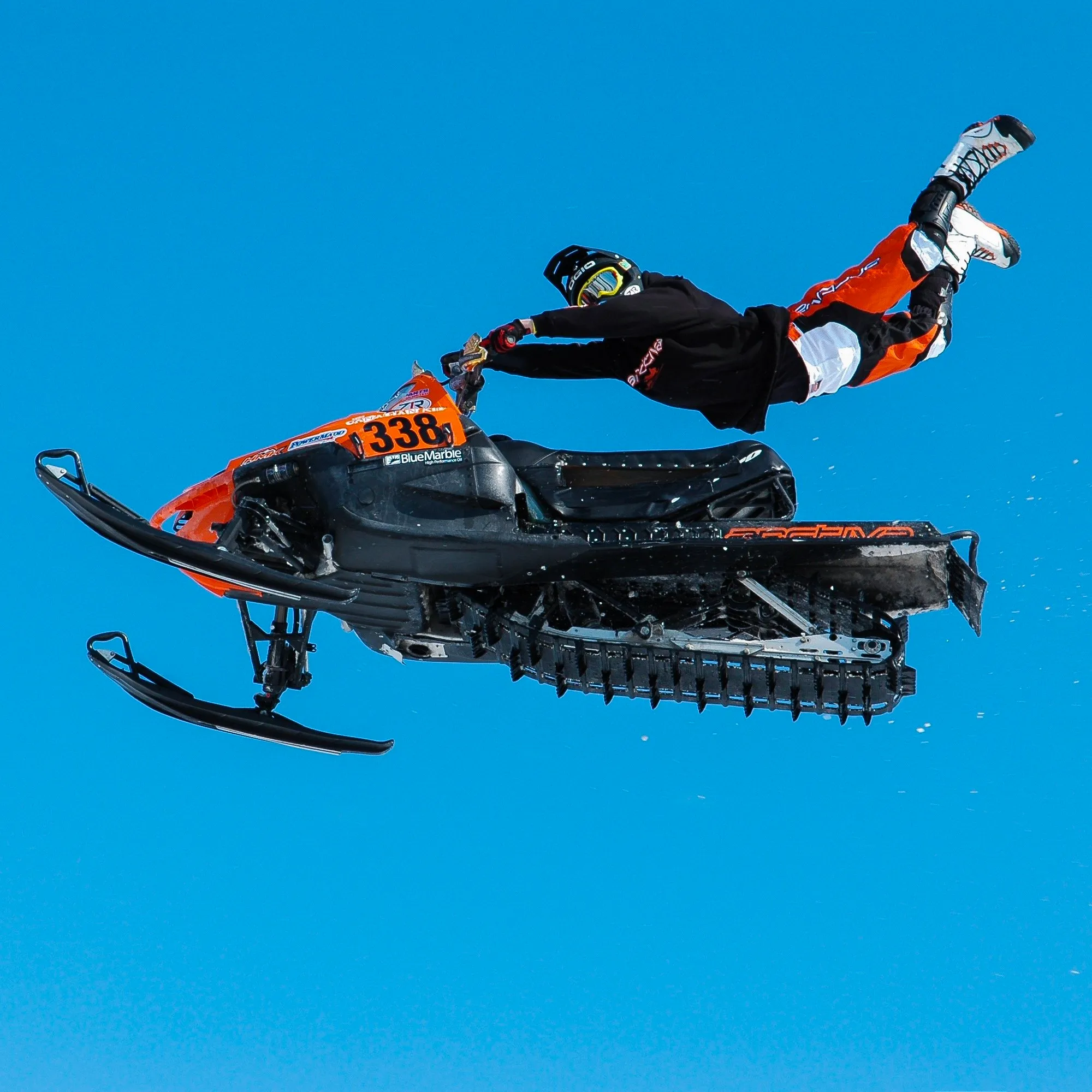
Then, shortly after moving into the pro class, I got the call that completely changed my life. A promoter was putting together the first real world championship tour for freestyle snowmobiling and somebody had seen what I was doing at the races. I was asked to come try out. I was 15 years old.
You can probably imagine how that conversation went. I ditched school, went home and told my parents that I was about to become a professional freestyle rider and compete against the same guys I had grown up watching in the videos
At my first pro contest I actually went around the riders' area getting everybody's autographs. Then I had to compete against them. I crashed my face off and got last. Fast forward few months later, I was winning events and standing on the podium at every tour stop.
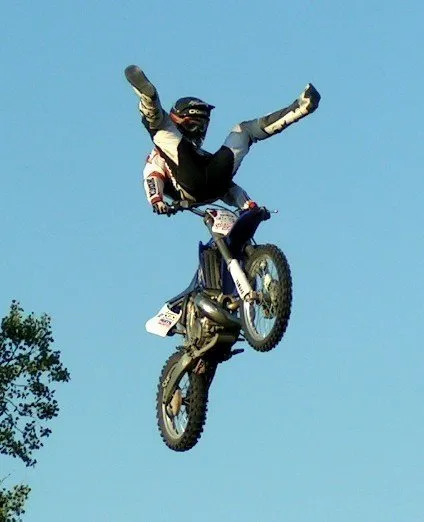
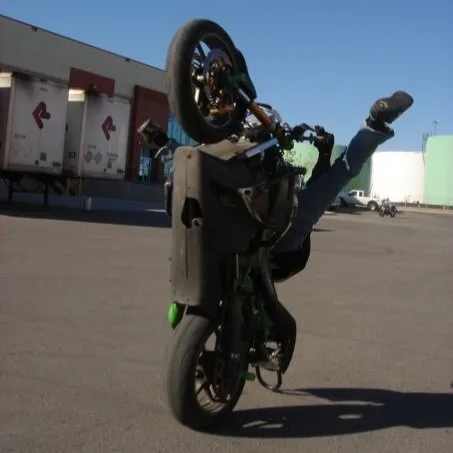
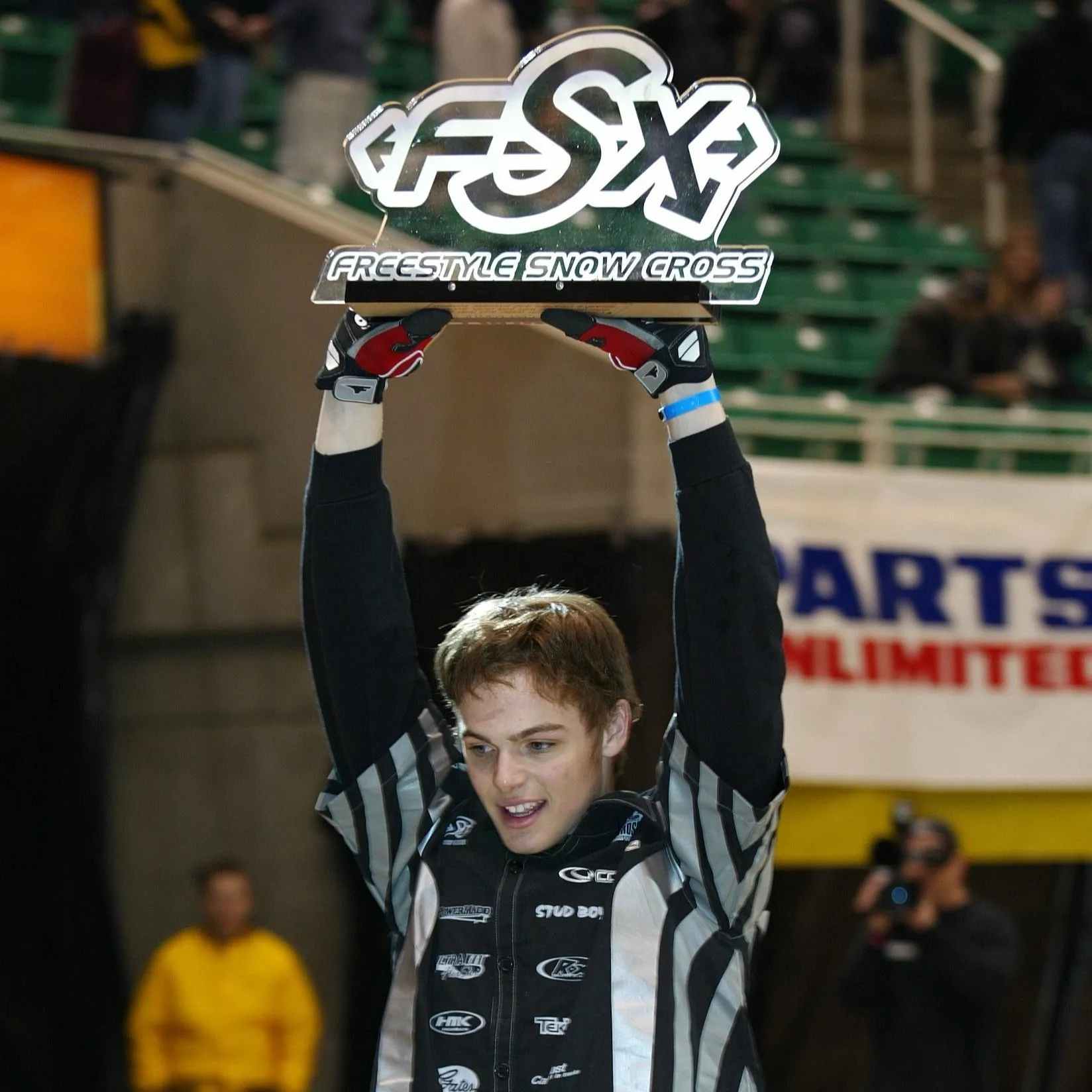
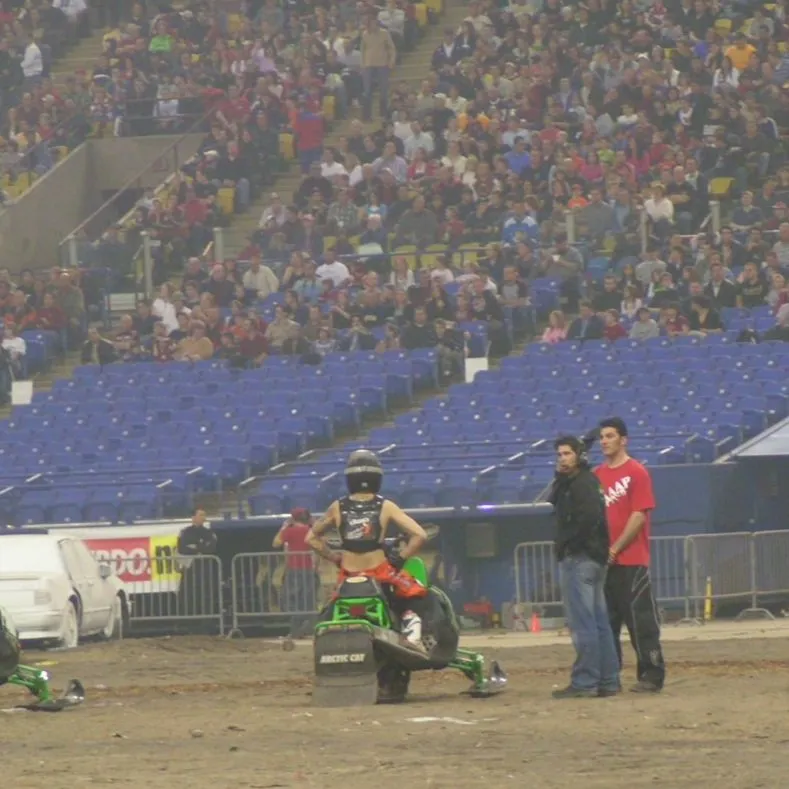
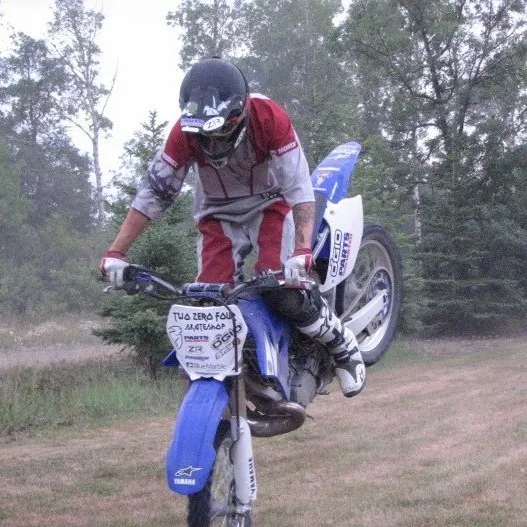
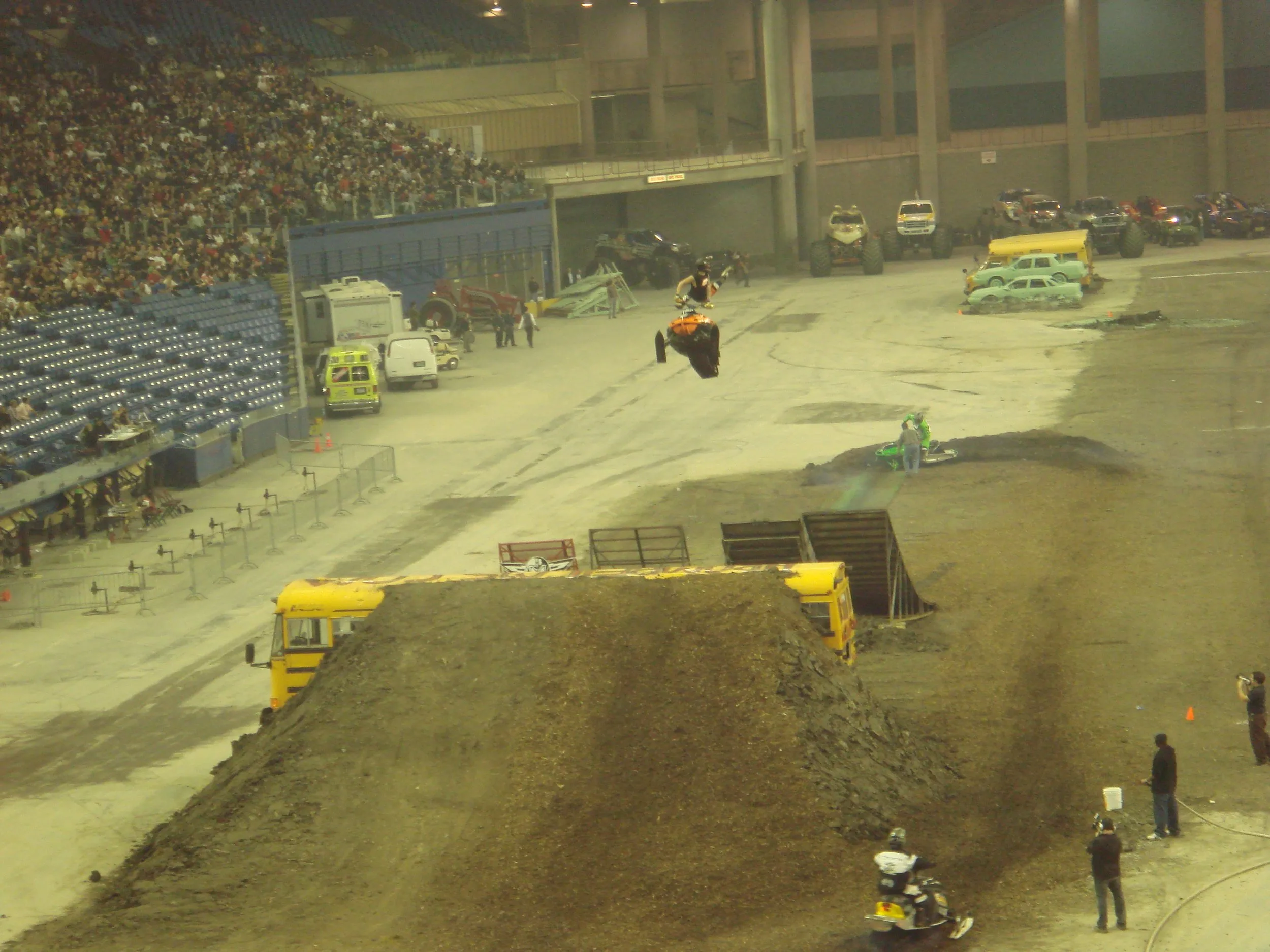
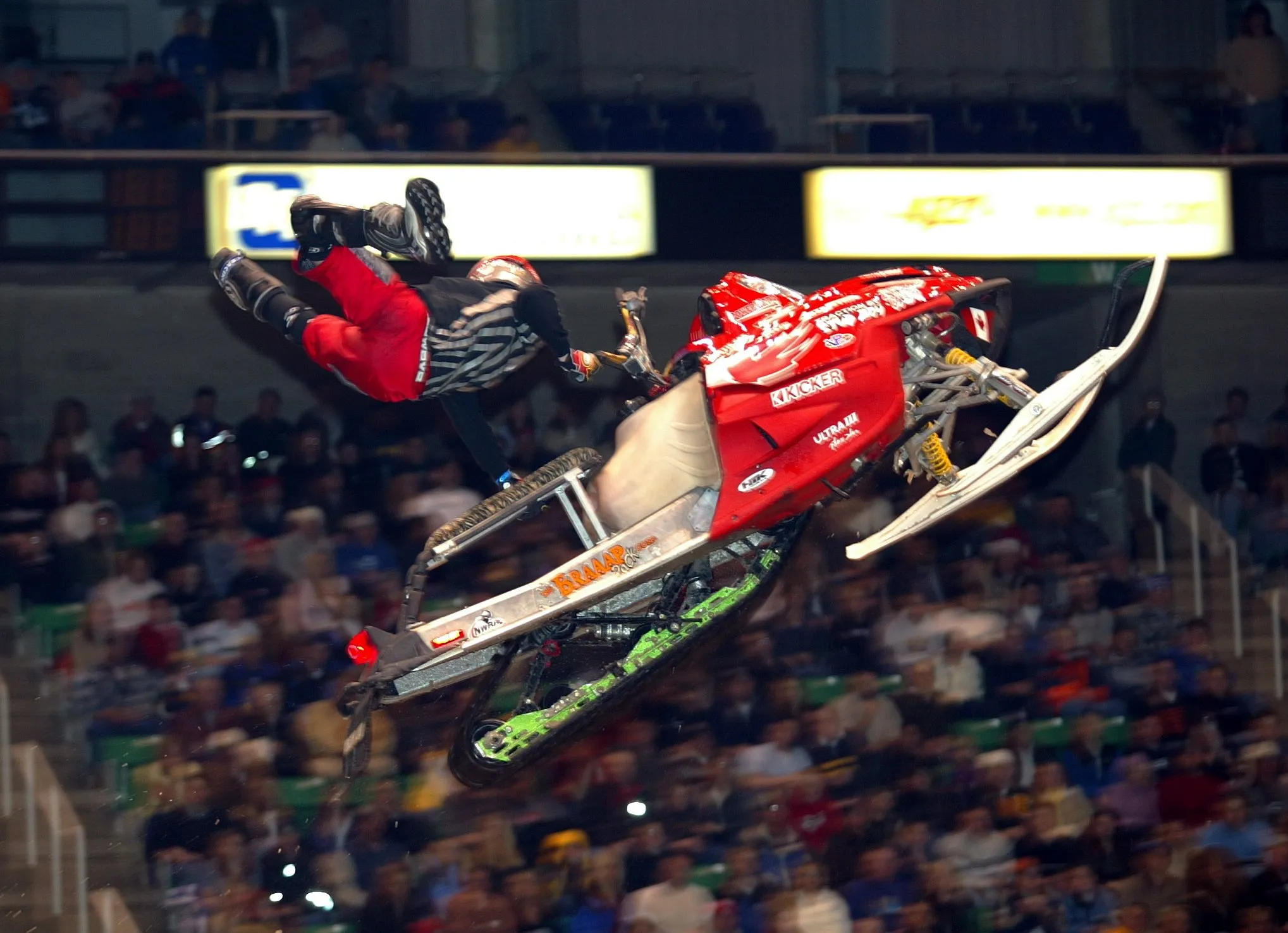
Before that first season was over I dropped out of high school and went all in. For nearly the next decade, I travelled all over the world as a professional freestyle snowmobile, freestyle motocross and freestyle sportbike rider. I competed in some incredible events, rode with people I had idolized growing up and somehow made a living doing the exact thing everyone tells kids they can't possibly make a living doing.
In 2005 I won the FSX Tour Championship after winning 9 of the 12 events. It was a fucking wild way to grow up.
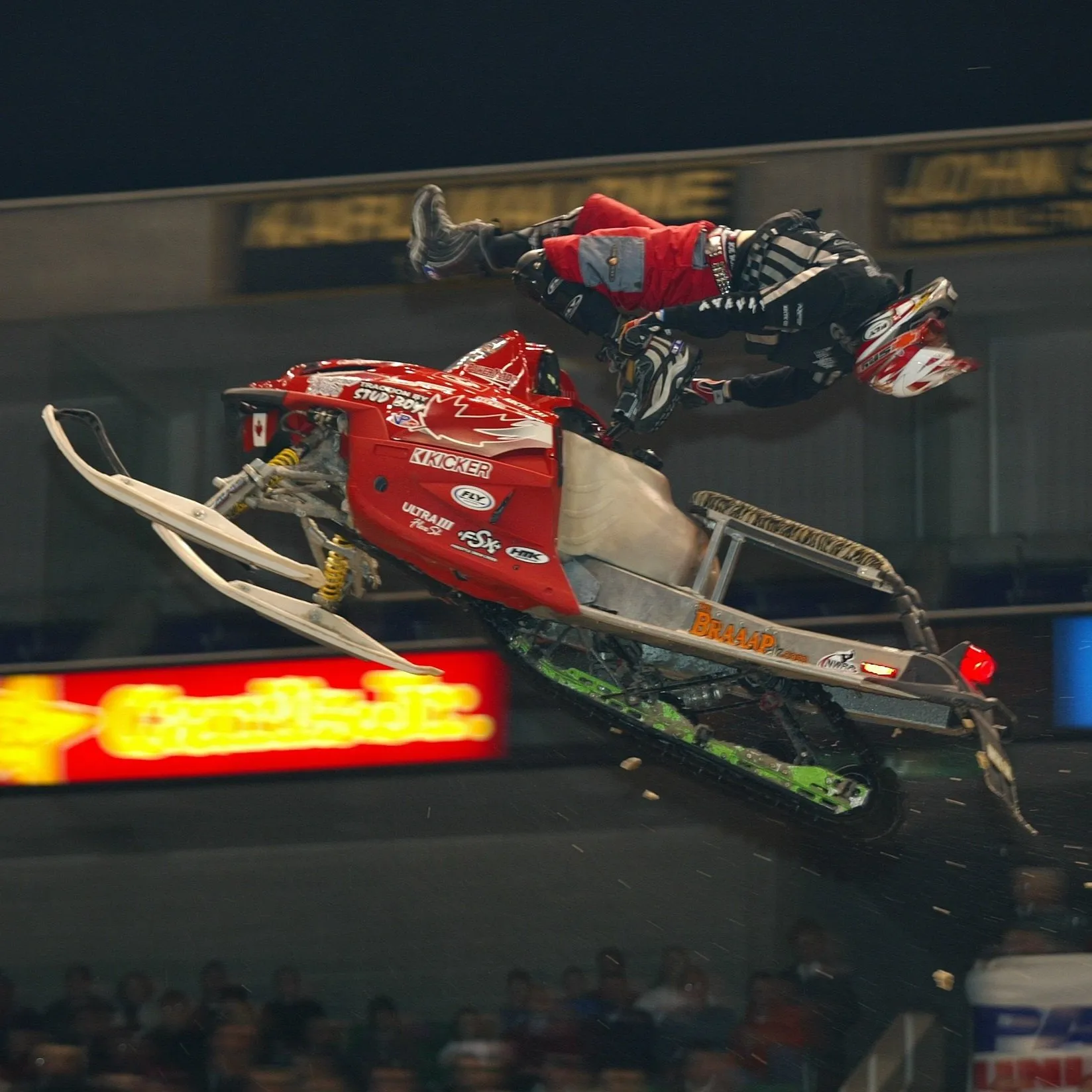
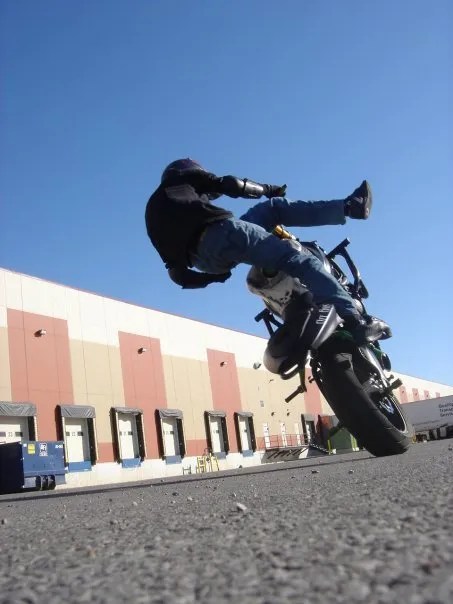
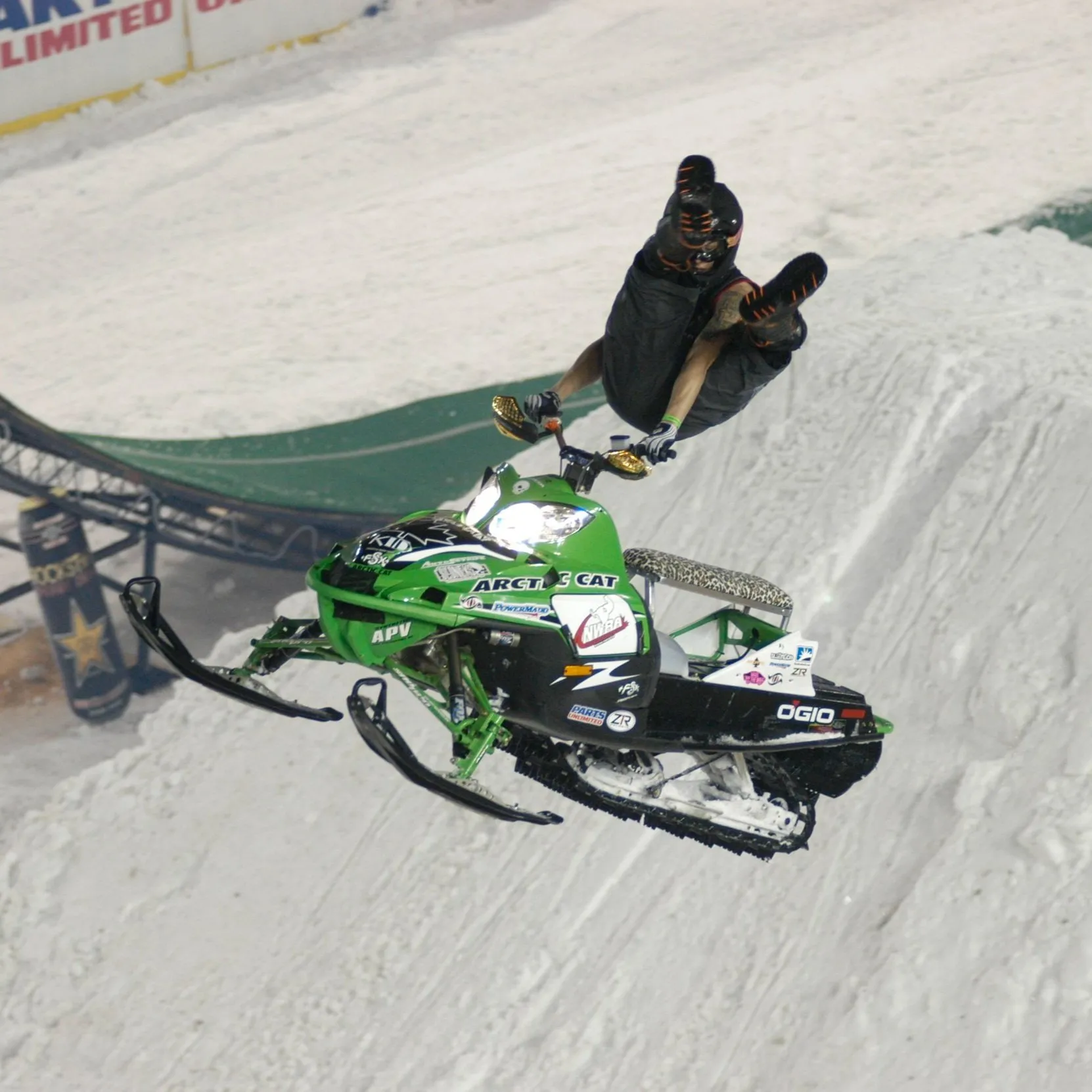
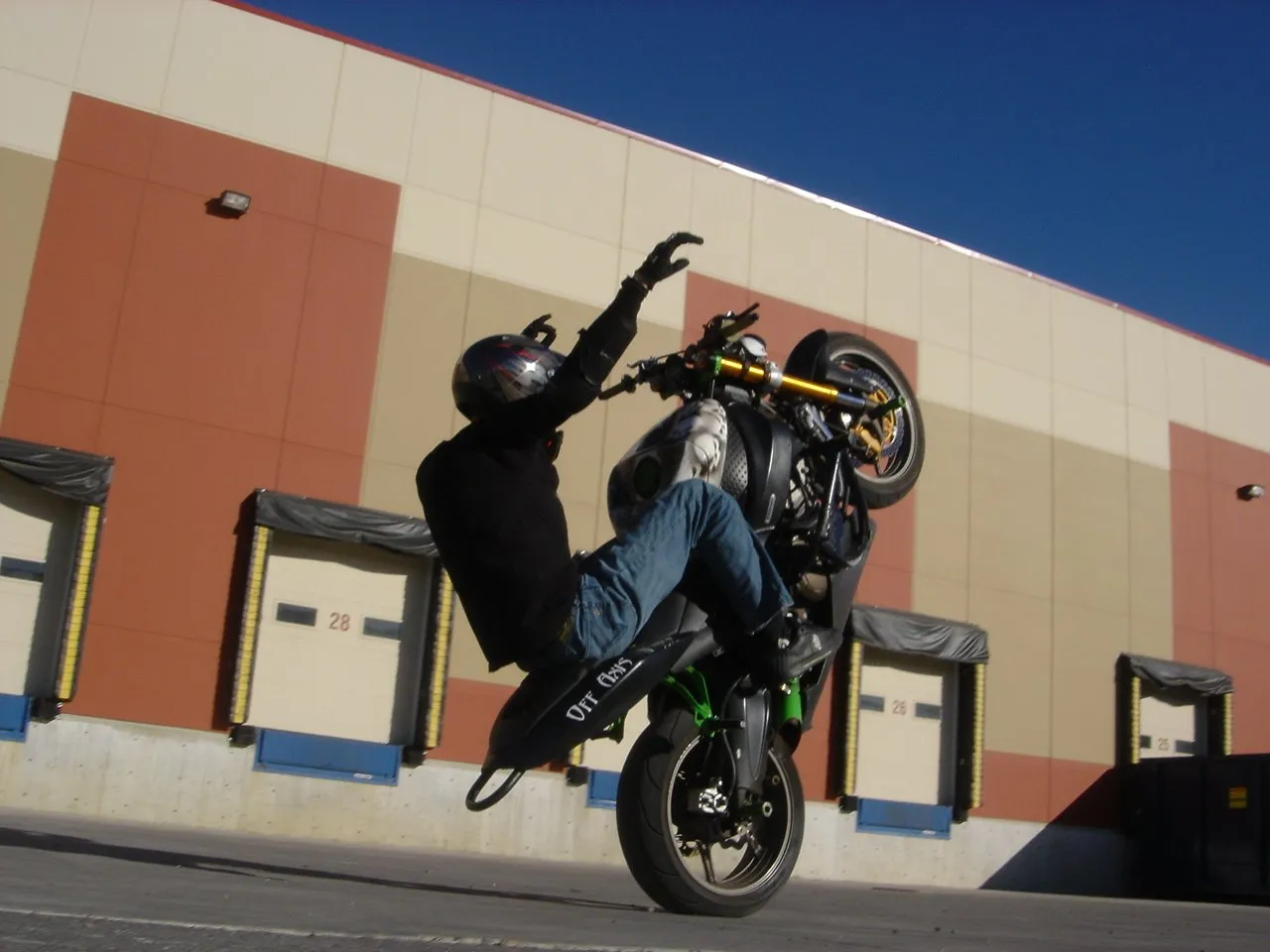
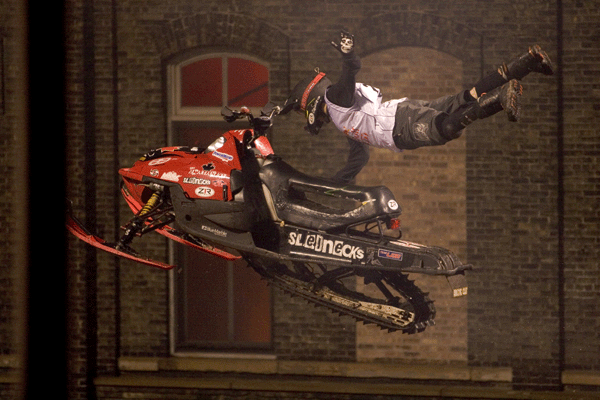
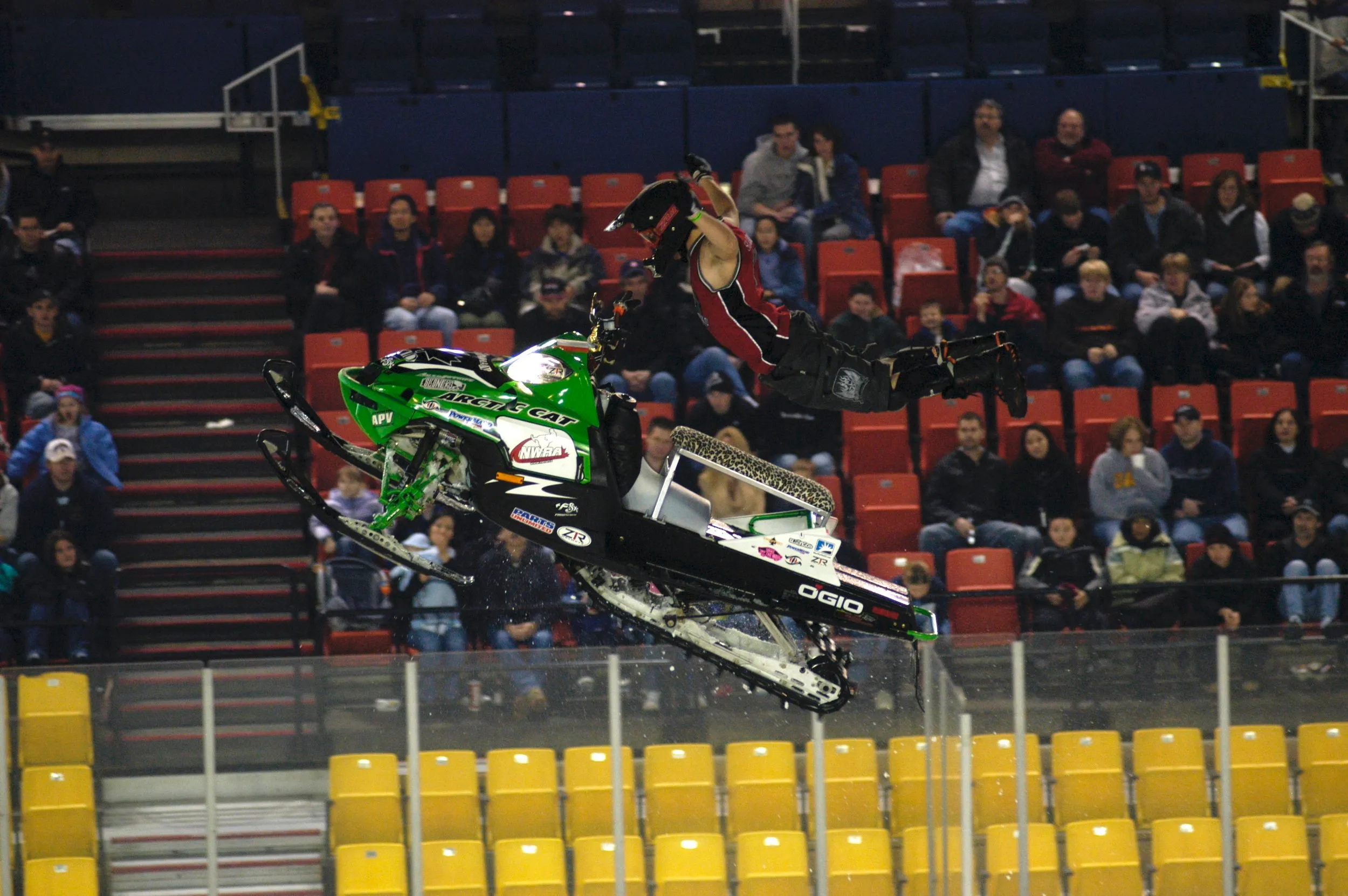
Eventually though, it ran its course. By around 25, the money in the sport wasn't what it used to be, the tricks were getting more dangerous every year and if I'm being completely truthful, my heart just wasn't in it anymore.
So I retired and did what any washed-up professional freestyle rider with no high school diploma would do. I got a real job. Actually, I got a bunch of them.
I worked behind the parts counter at a motorcycle shop. I did construction. I welded. I installed cable. And I fucking hated it all.
After spending most of my life basically doing whatever I wanted, whenever I wanted, I discovered pretty quickly that I wasn't very good at taking orders from somebody else. So I went back to school to become a certified motorcycle mechanic.
The plan was simple: open my own motorcycle shop. Because I had already spent most of my life working on bikes and had been lucky enough to work around some incredible mechanics during my riding career, school came pretty naturally. I finished early and not long after that I opened my first real business, Thirty8 Ride Shop.
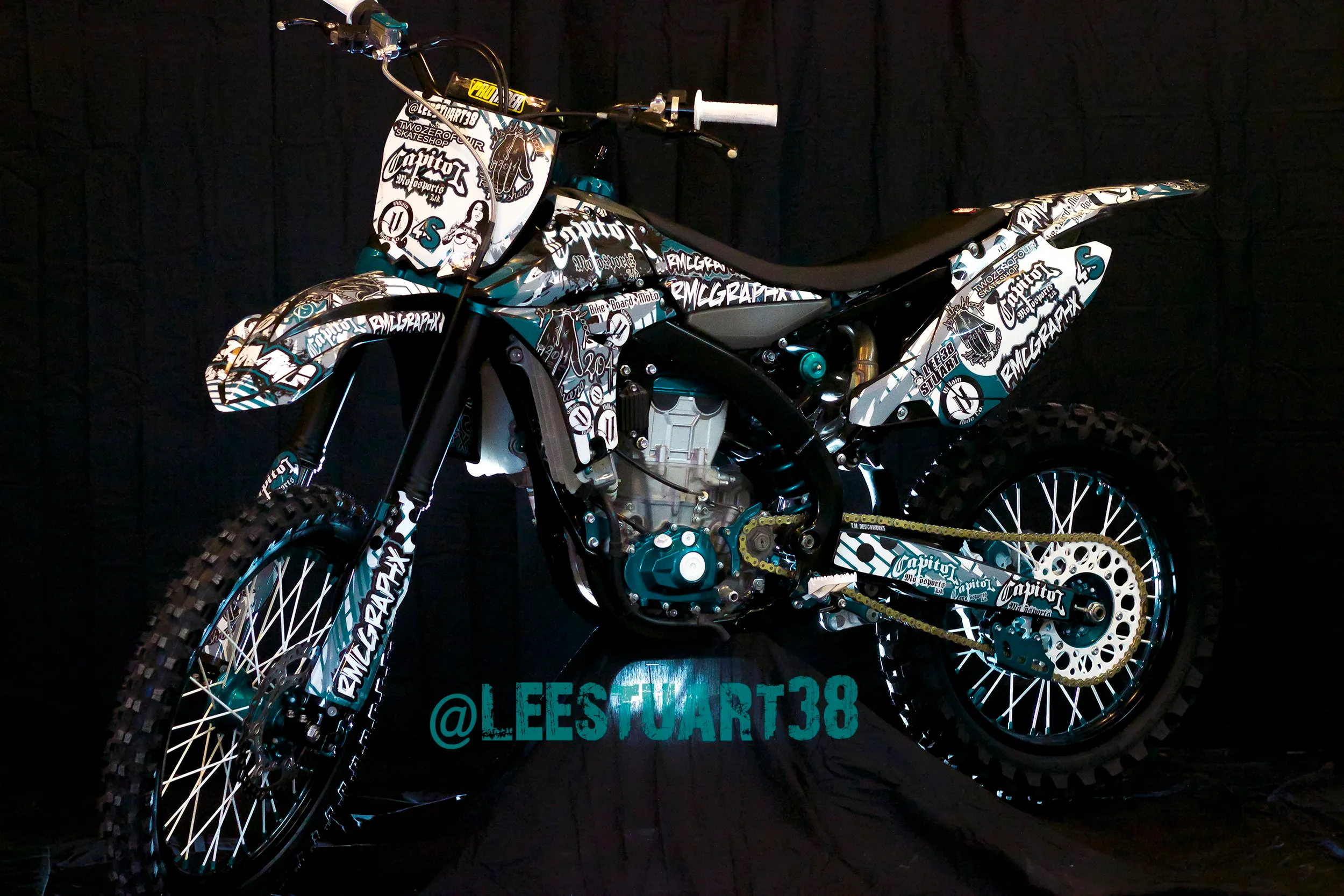
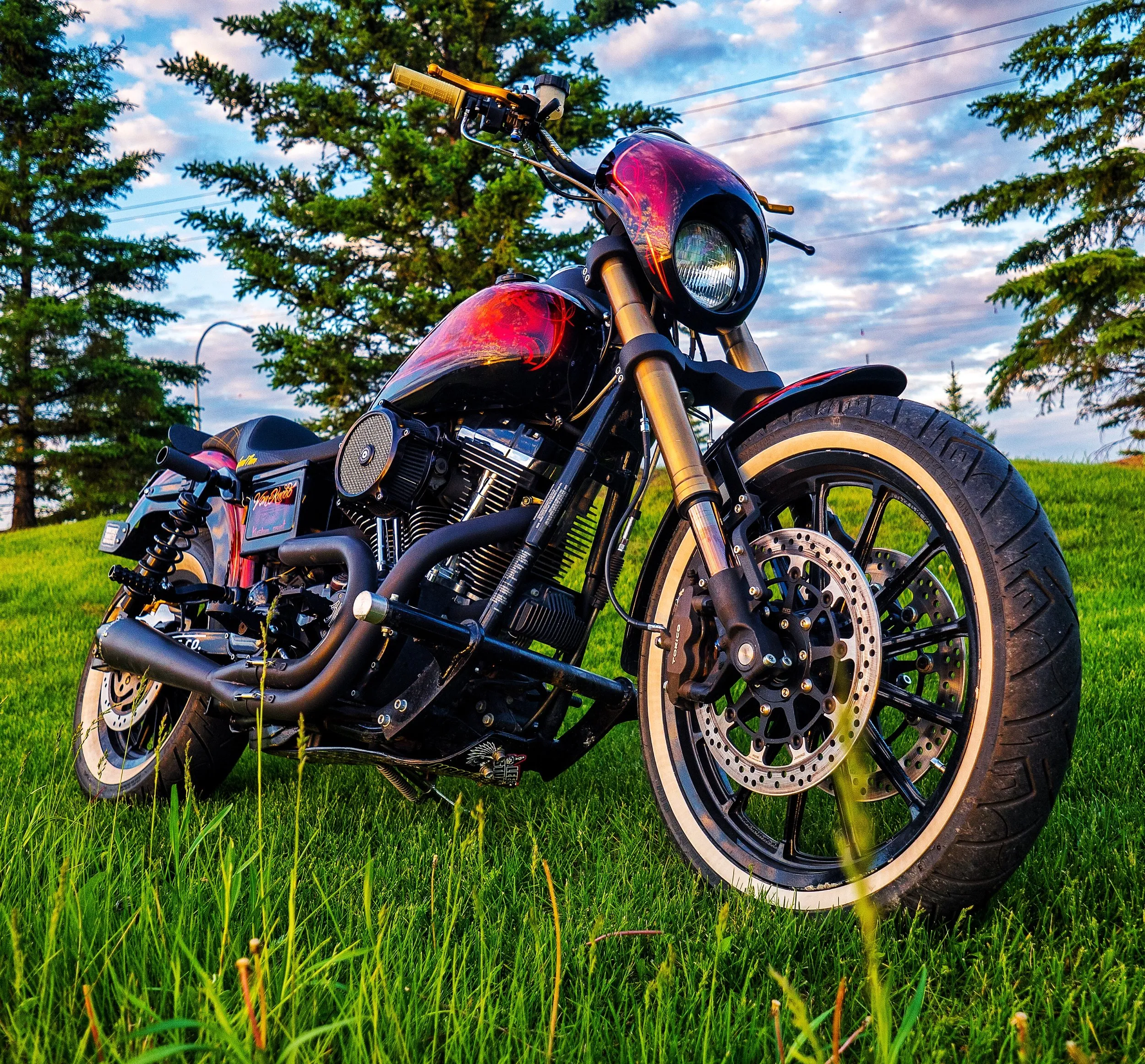
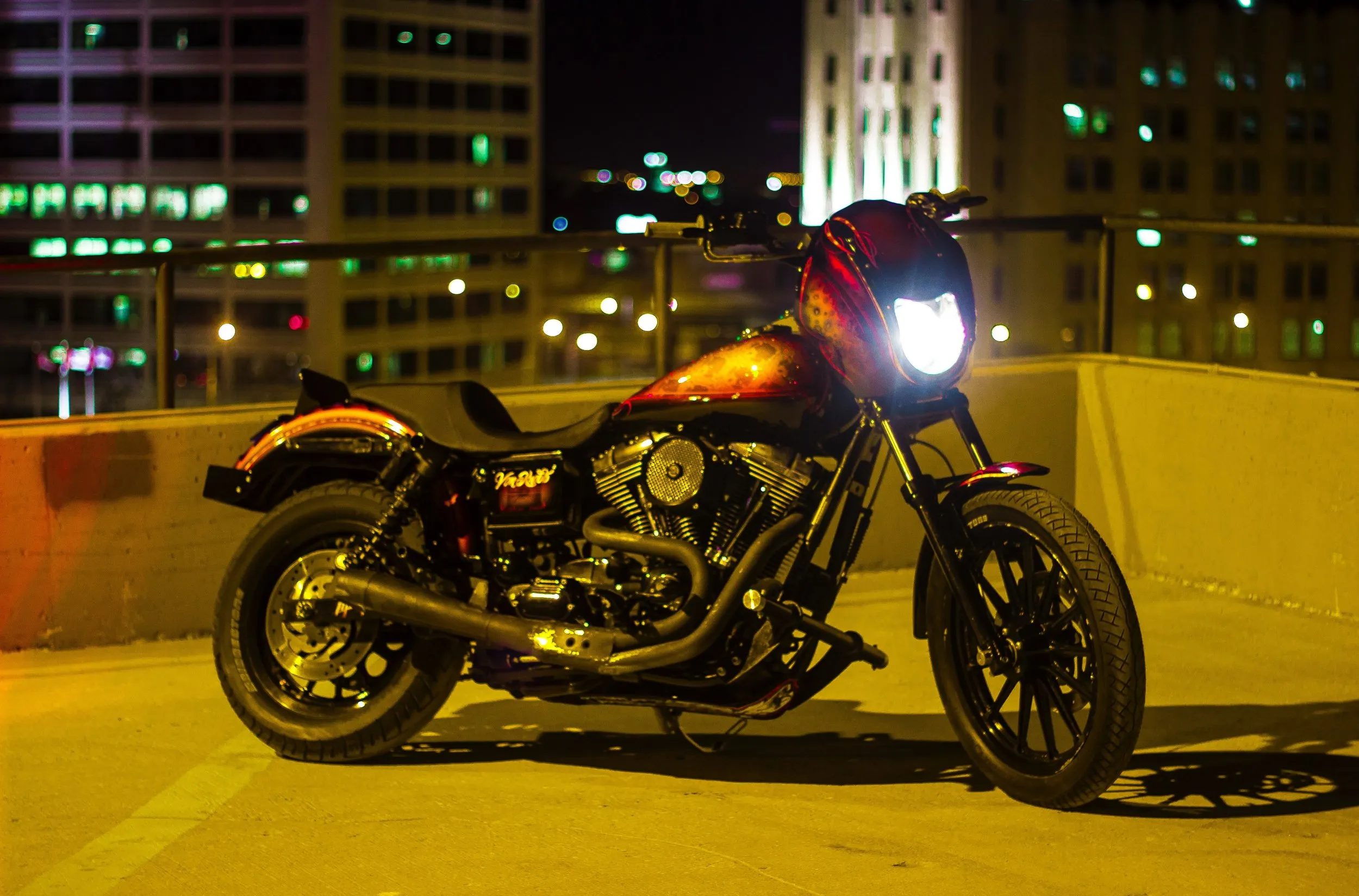
I started in my garage building and working on motorcycles. A custom Yamaha YZ450F freestyle bike I built got a ton of attention online, along with a Harley-Davidson Dyna Low Rider I built for myself. I landed some really cool customer builds and for a while I thought I had figured out what I was going to do with the rest of my life.
Then reality showed up. I live in Winnipeg. We have about five minutes of motorcycle season.
The high-end custom bike market wasn't exactly huge here and most of my actual paying work became rebuilding blown-up motors and clapped-out suspension. I wasn't enjoying it and I still lacked the discipline to make it work.
Walking away sucked, but I eventually had to admit that wanting something to work doesn't mean it's going to work. So Thirty8 Ride Shop was done.
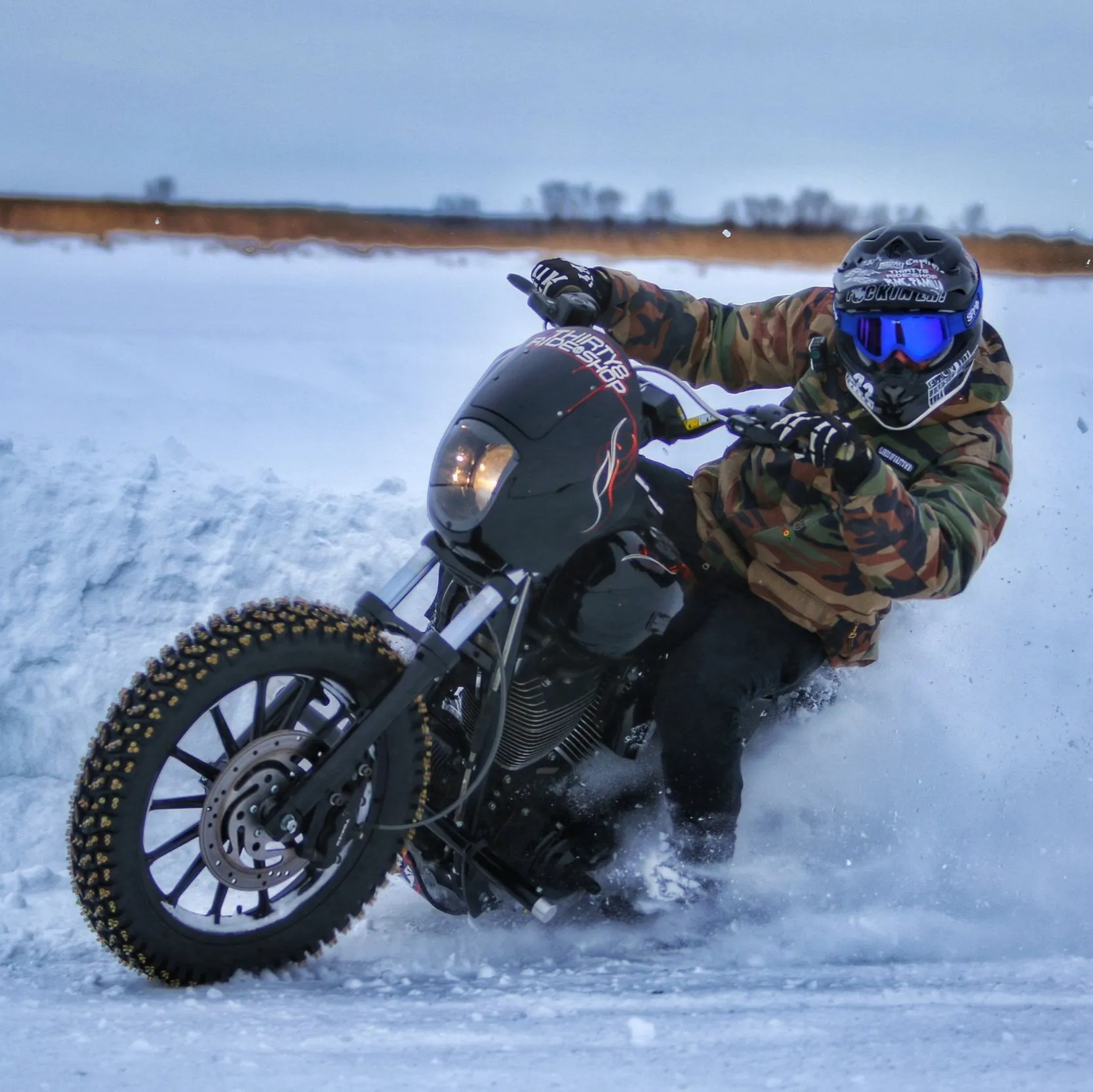
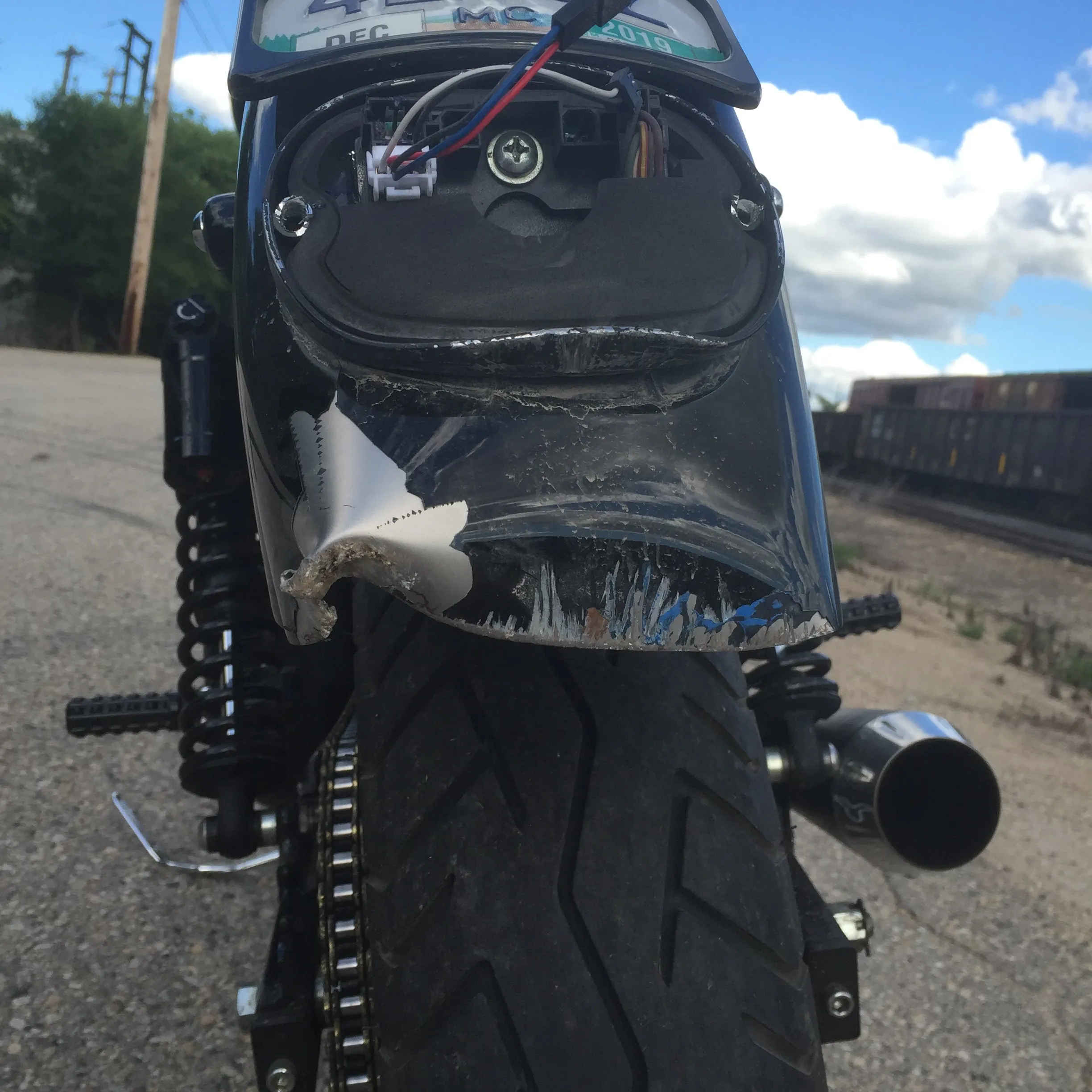
Around that same time, the Harley stunt scene was starting to take off and I had already been beating the absolute shit out of my Dyna. So I started filming it.
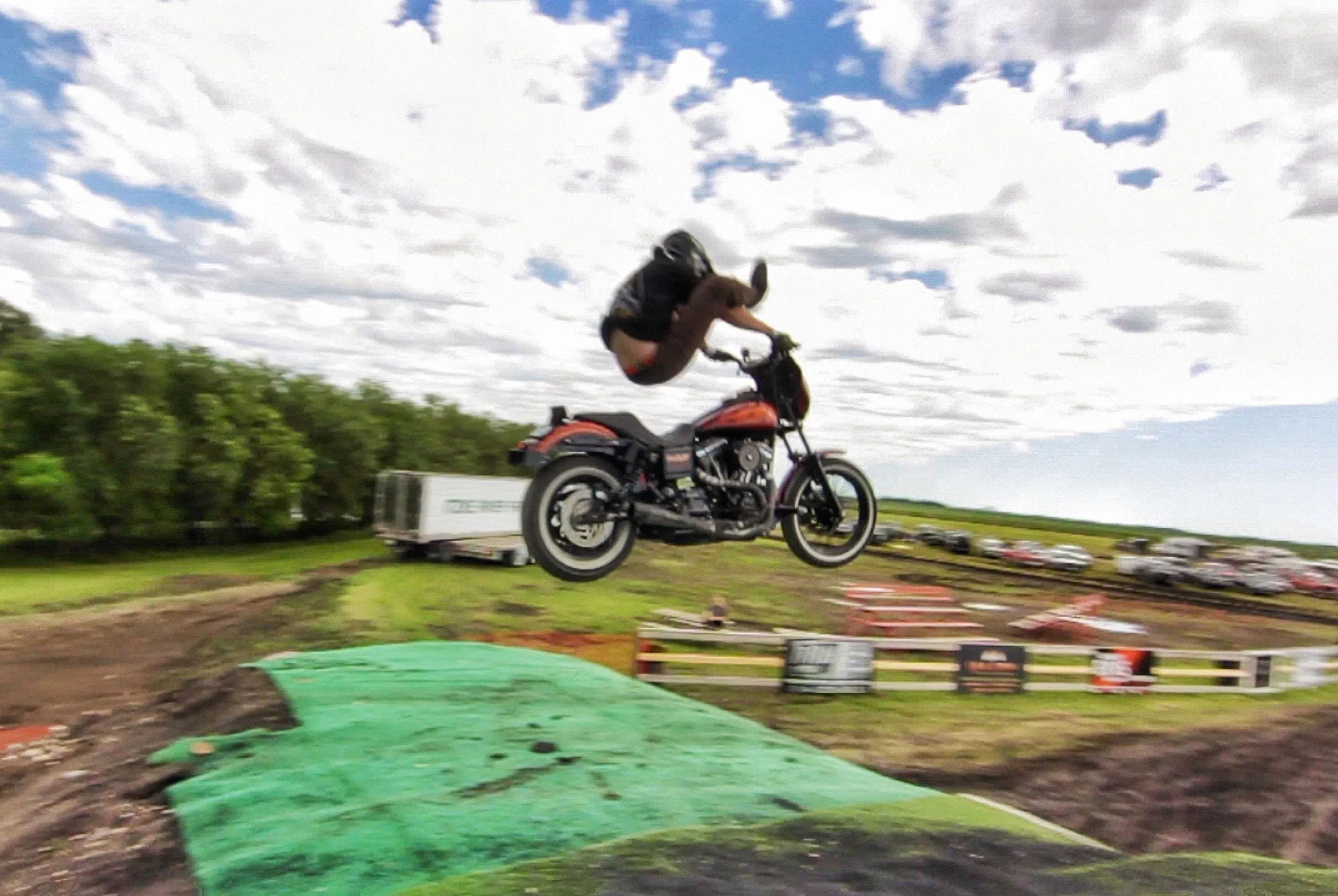
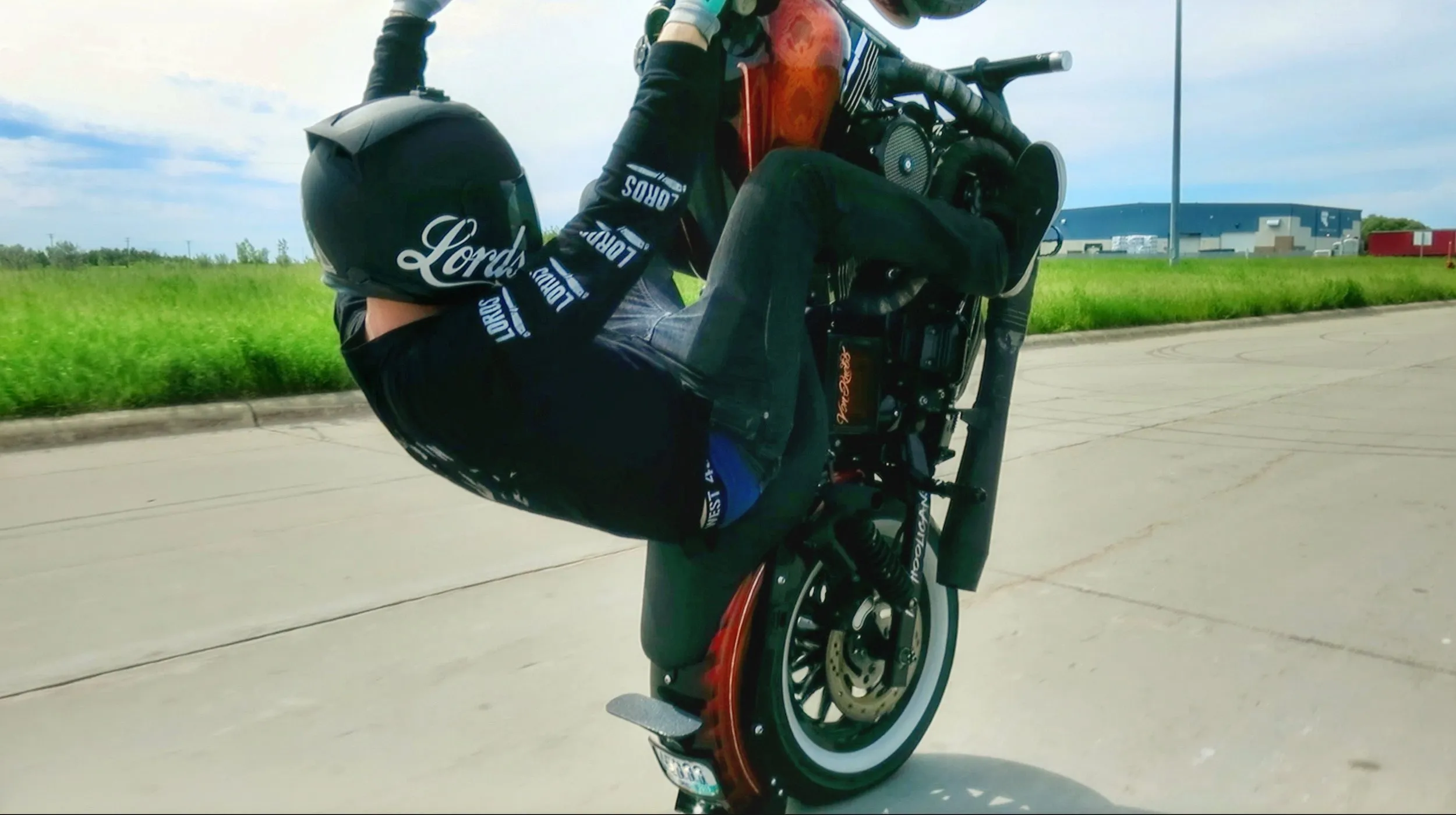
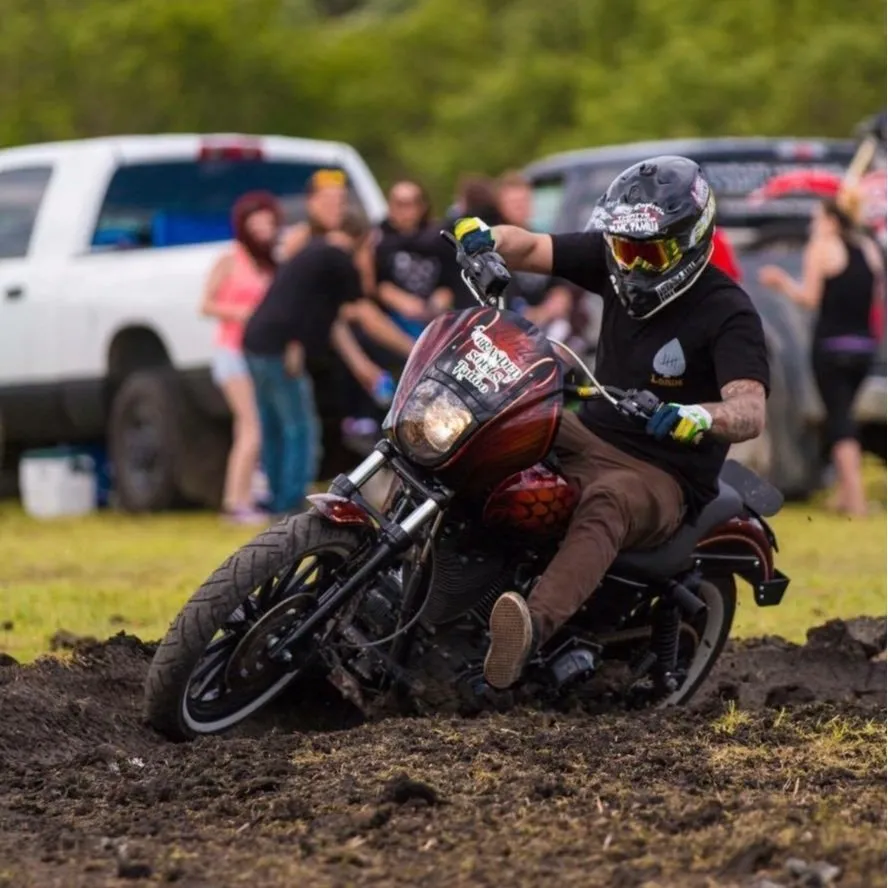
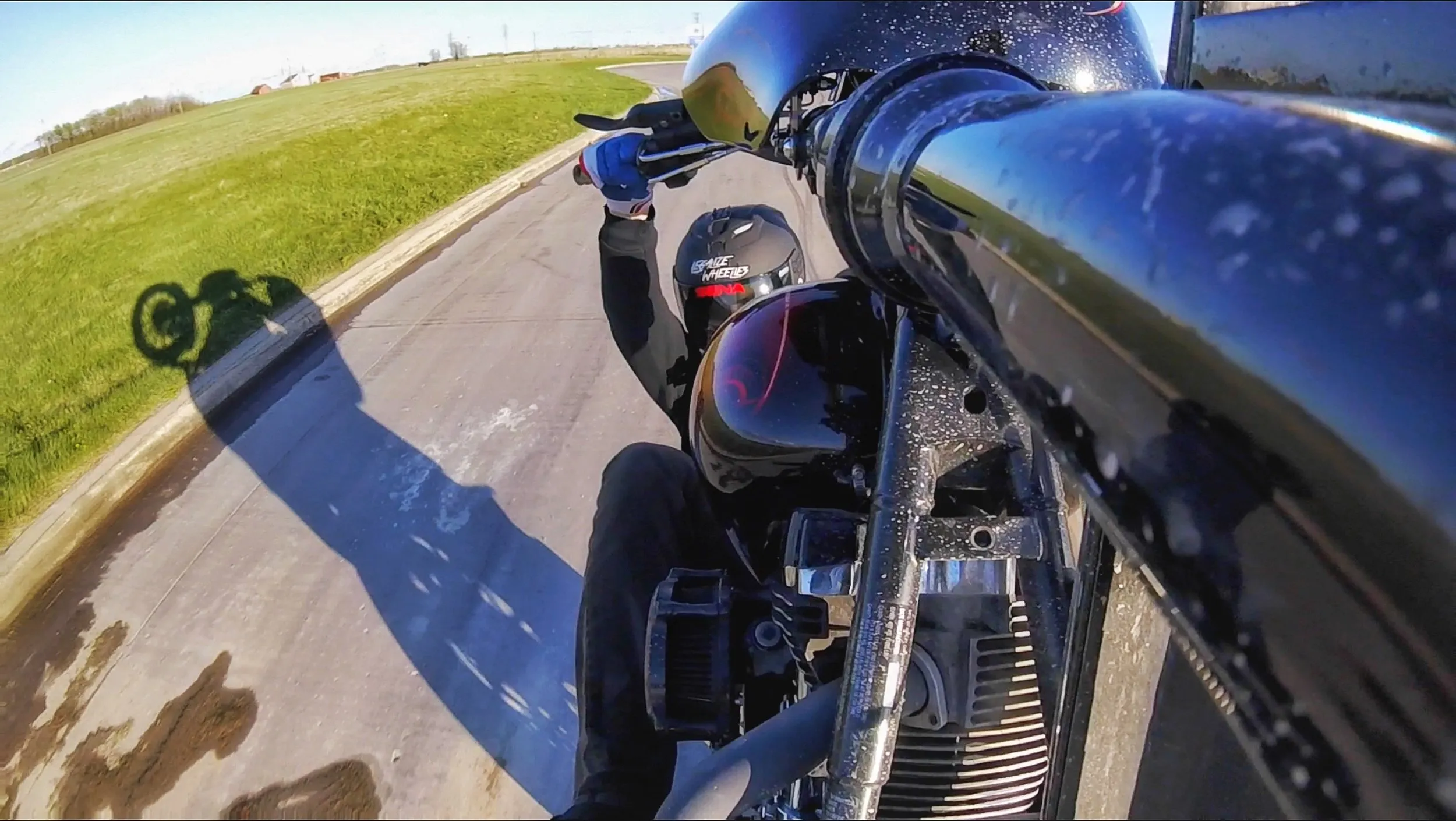
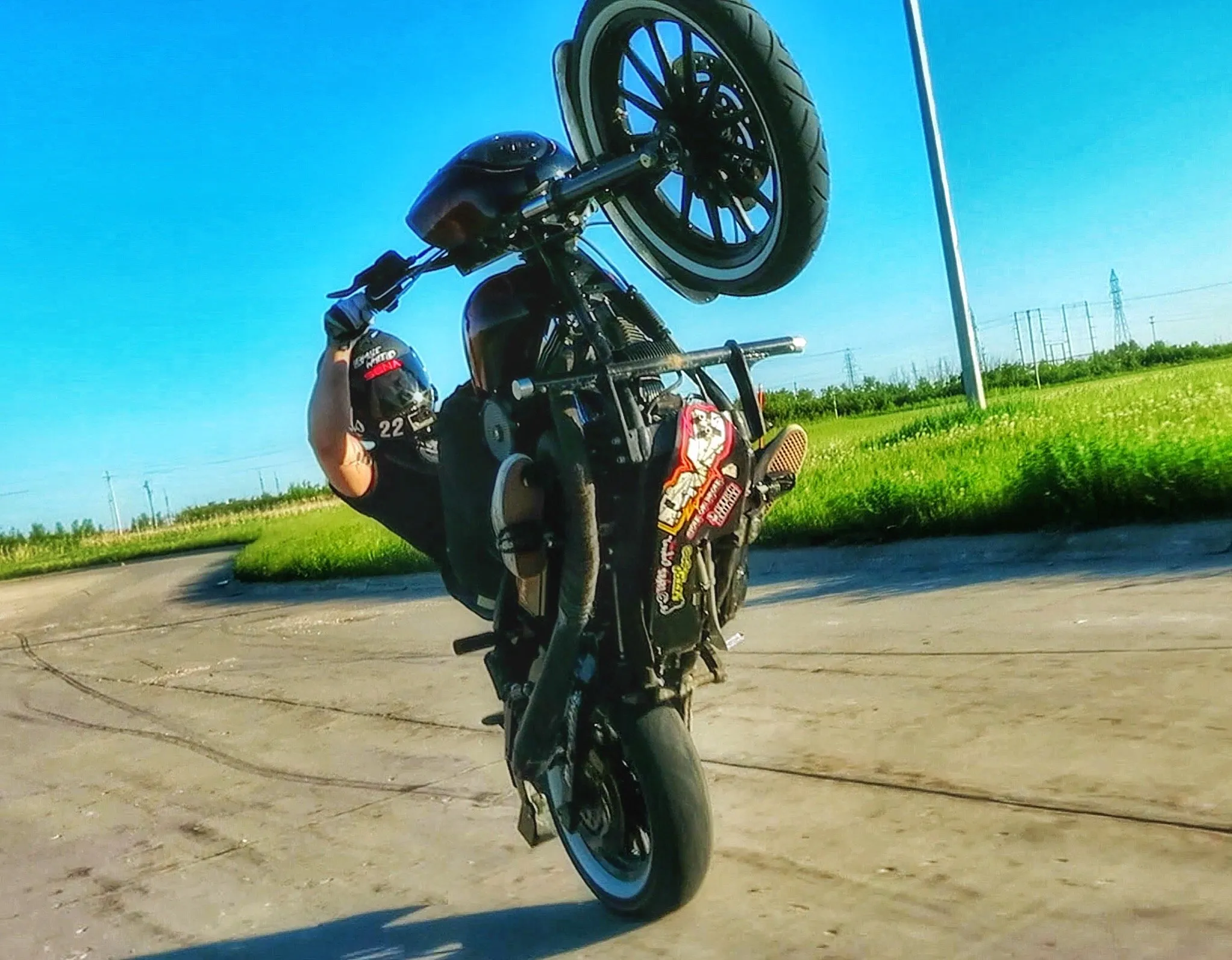
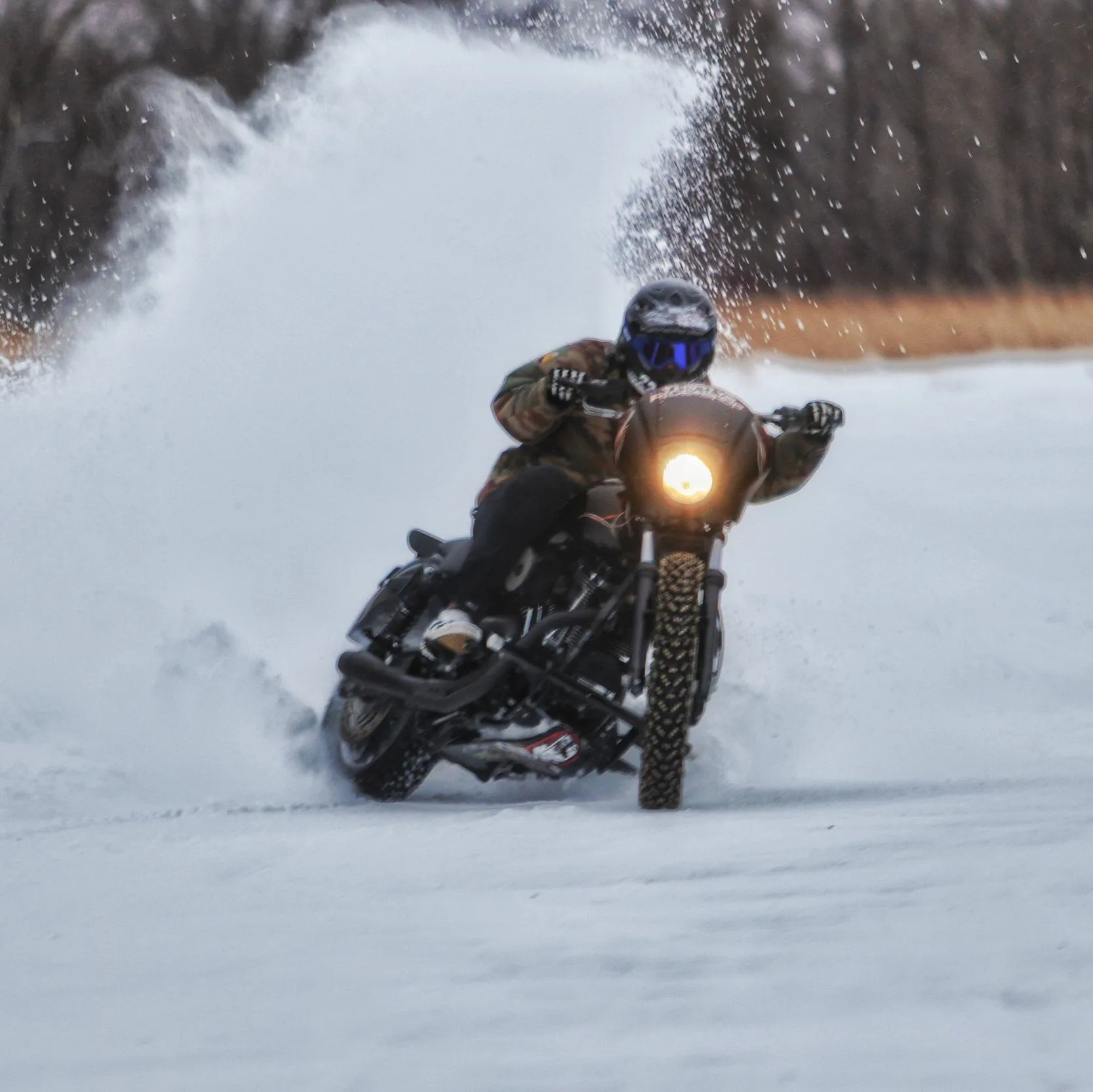
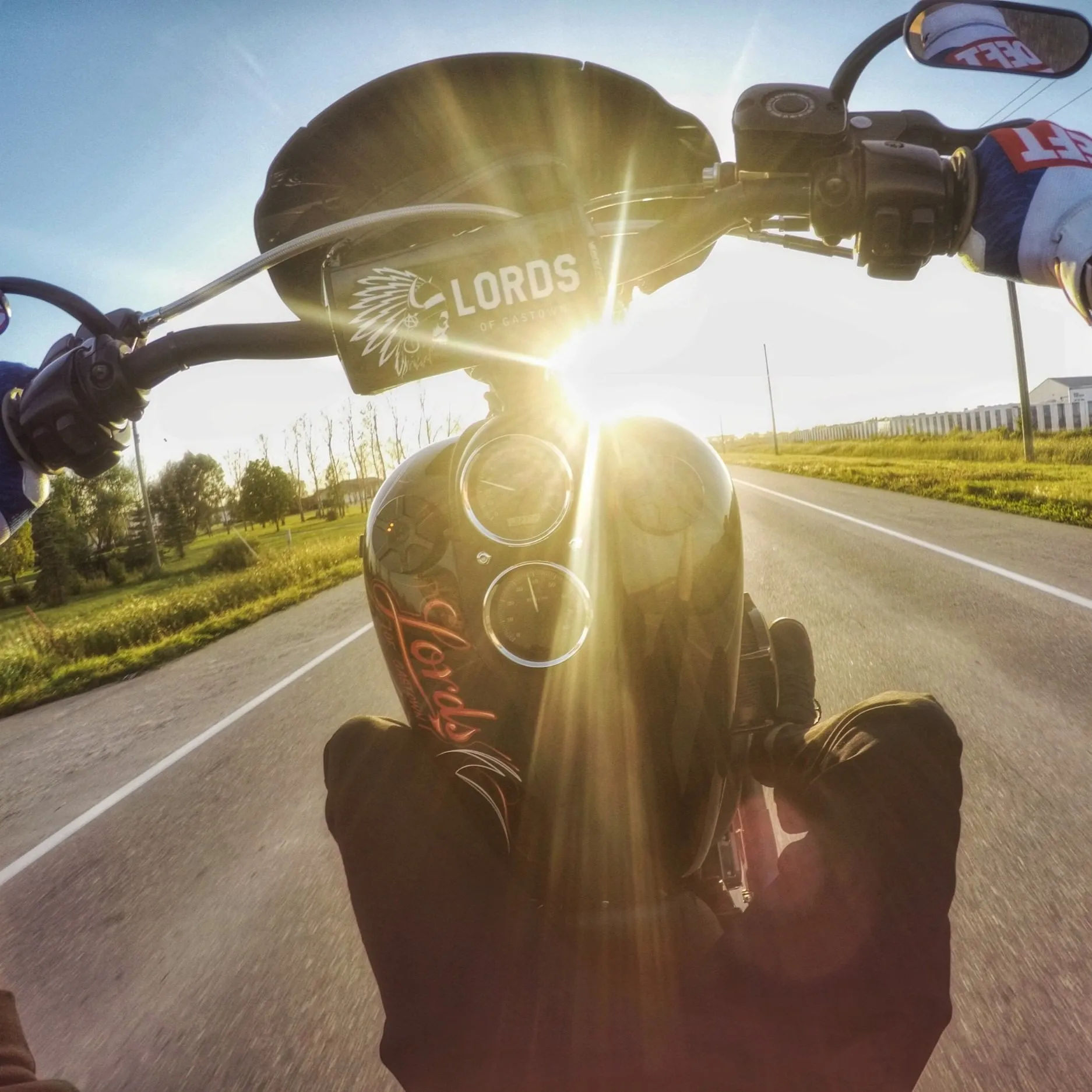
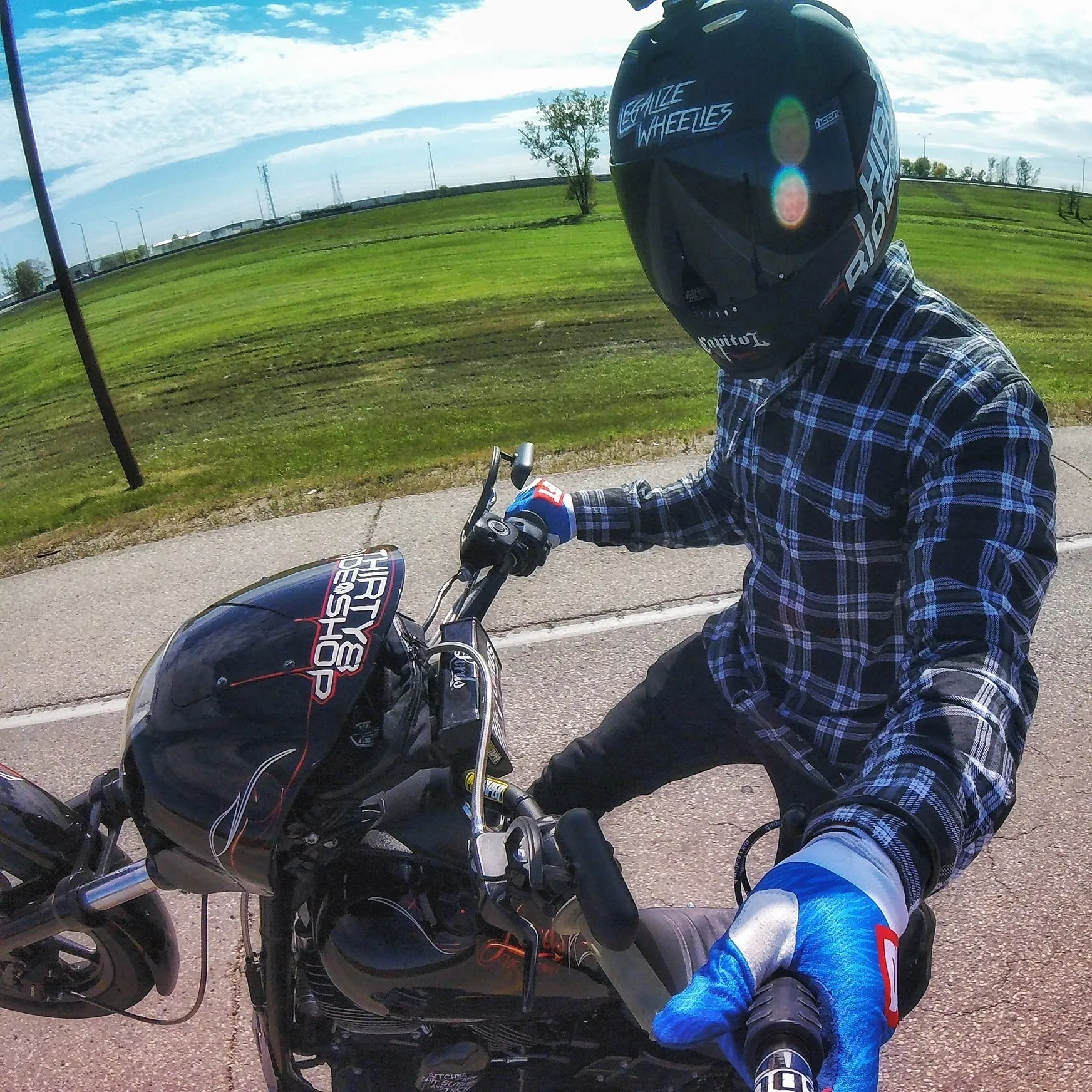
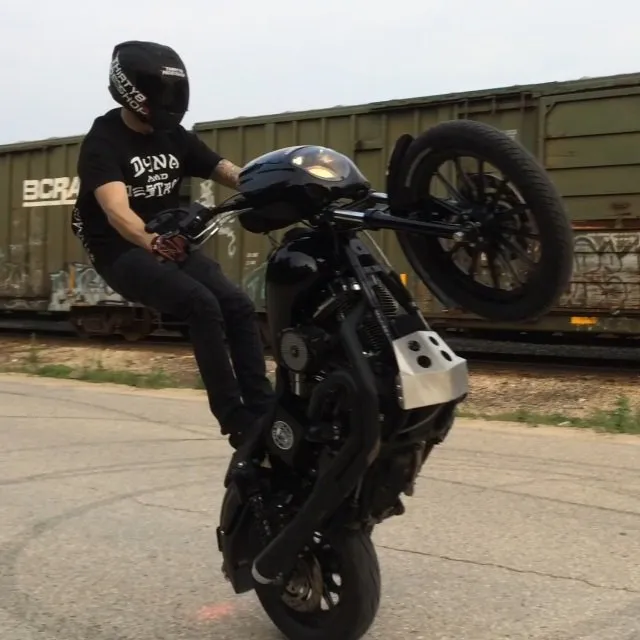
I had always loved video production from my riding days, so I spent an entire summer shooting and editing a video called Stoke Or Broke. I uploaded it to YouTube on September 2, 2015. For a channel with basically no audience, it did really well. People wanted another one.
There was only one problem. It had taken me almost an entire summer to make the fucking thing. That wasn't going to build something sustainable.
A friend told me about motovlogging. I thought it sounded stupid. Apparently people were strapping cameras to their helmets, riding around talking to themselves and somehow making a living from it. Fuck yeah. Sign me up.
I figured maybe I could mix that format with stunt riding and actually turn YouTube into something. My first few videos did okay, but I wasn't happy with them. They felt boring. The riding was good, but the videos themselves weren't and I couldn't talk to the camera to save my life.
Then I found Casey Neistat. That completely changed how I looked at YouTube and video production.
Here was a guy making videos constantly, sometimes about almost nothing, but somehow every one of them had a story. The shots were good. The editing was good. They felt like little movies and I watched every single one of them fully invested. That was what I wanted to make.
So I started learning. Every video became practice. My shooting got better. My editing got better. I learned how to tell stories instead of just pointing a camera at things.
Over the next couple of years the channel grew to around 20,000 subscribers. The problem was that financially, I was getting absolutely nowhere.
I was constantly destroying motorcycles, cameras, lenses and whatever else happened to be nearby. Every dollar YouTube made seemed to leave twice as fast. Eventually I was almost completely broke.
I had a $300 left and the idea of going back to a normal job scared the shit out of me. So naturally I made the responsible decision. I spent the last of my money starting a clothing brand.
Everyone thought I was fucking crazy. They were probably right.
But I had spent most of my life working with sponsors and action sports brands. I loved clothing, graphics and branding and it was something I had always wanted to get into but never pursued. It was time to pull the trigger.
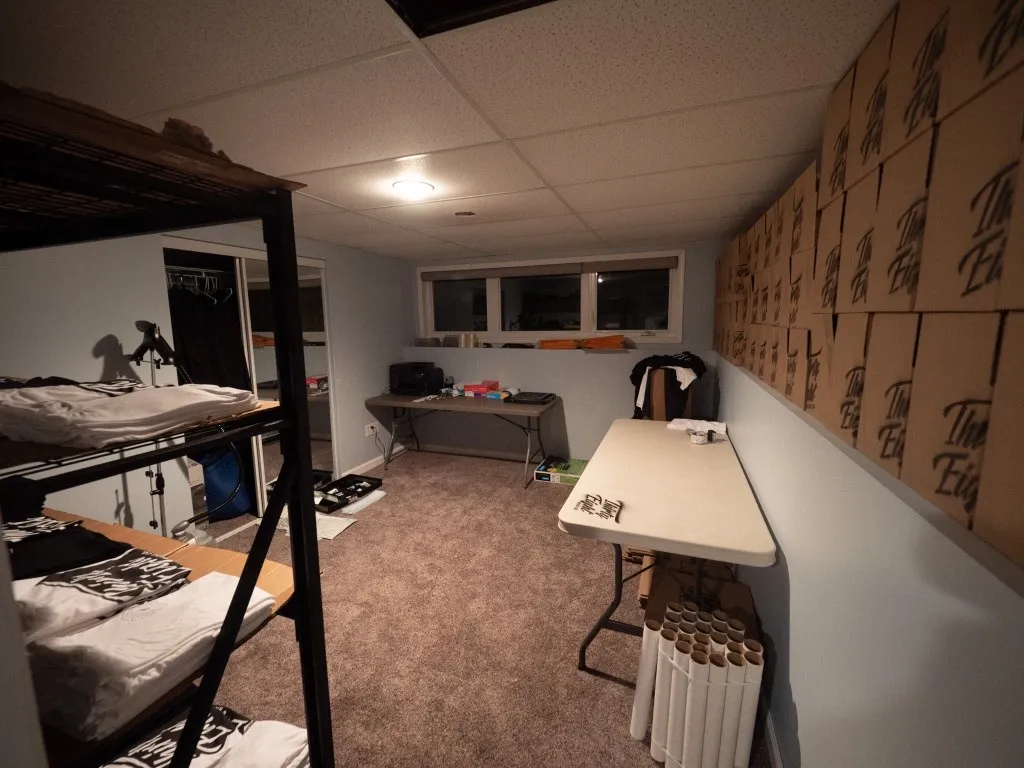
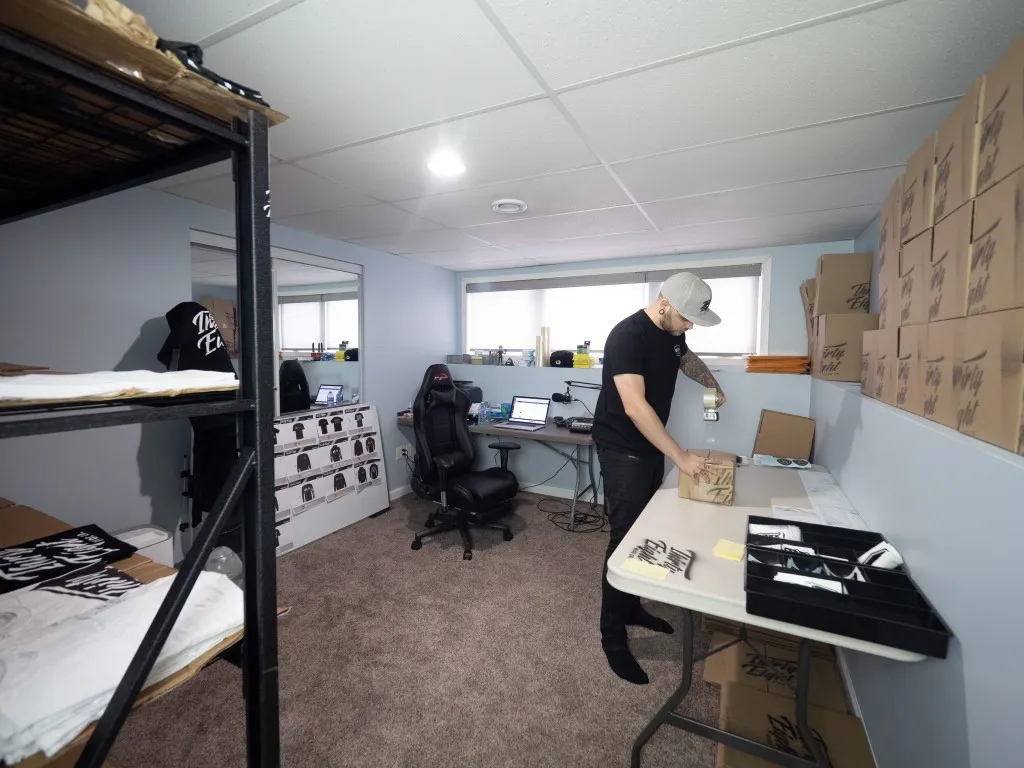
So I built an "office" in a tiny room in my house with a laptop, a plastic table and one of those metal folding chairs that should probably be classified as a medieval torture device. I built a website. Had a logo made. Ordered three T-shirt designs, a hoodie, a windbreaker and some stickers from a few local suppliers.
I even spray painted the logo onto the shipping boxes because I wanted the whole thing to feel like a real brand experience, even though behind the scenes it was basically one idiot in a basement with no idea what he was doing.
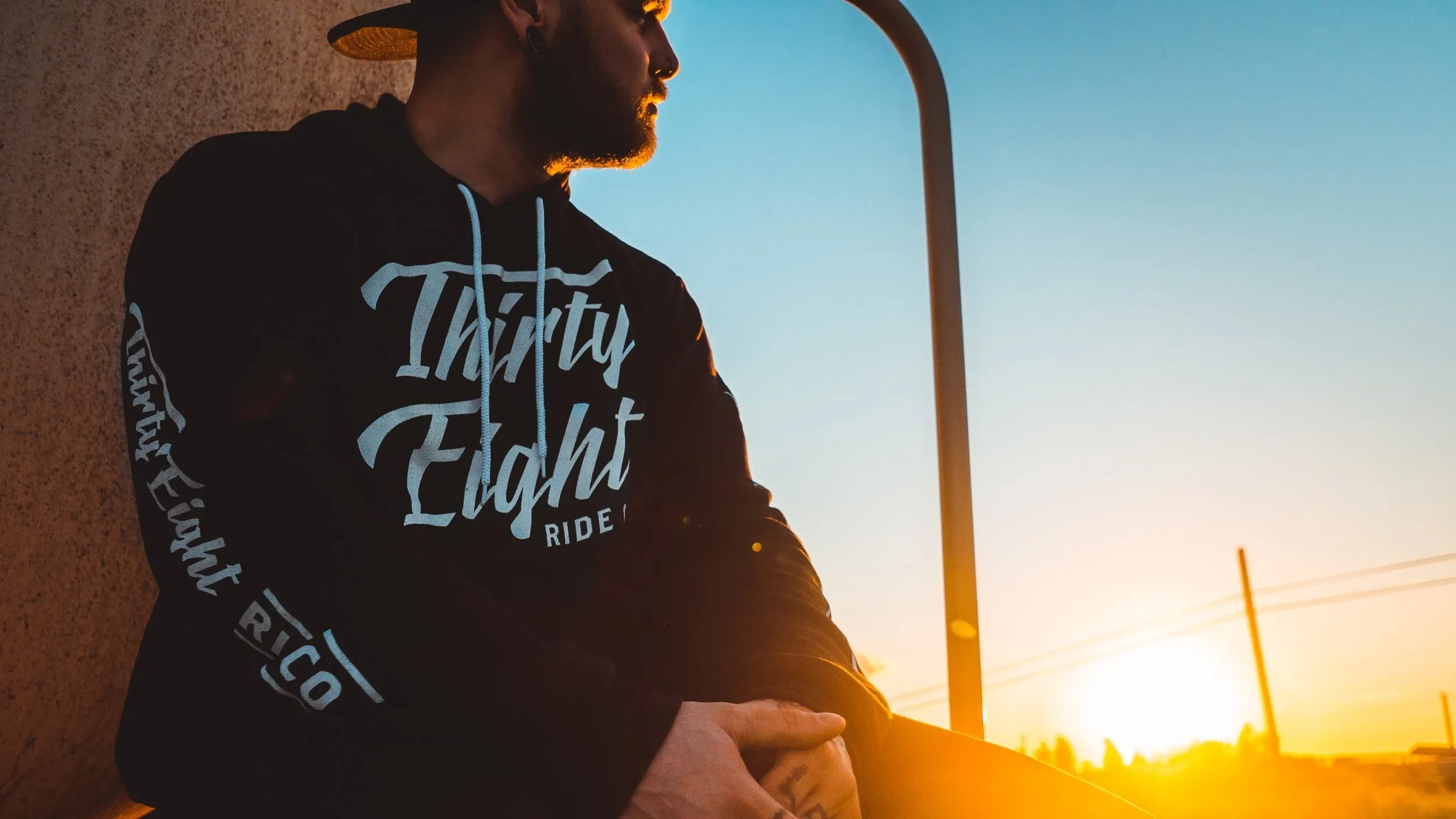
At midnight on July 21, 2017, Thirty Eight Ride Co. went live. I was terrified. This needed to work, there was no turning back.
Three minutes later, the first order came in. Then another. Then another.
By the next morning more than half of everything I had made was gone. By the second day it was sold out. For the first time in a while I thought: Holy shit. Maybe this is actually going to work.
Then I discovered a new problem. Printing.
The shops producing my clothing were terrible. Deadlines were missed constantly. Quality was all over the place. Jobs would show up that I didn't even want to send to customers. Simple ideas would get rejected because the printers didn't want to deal with them out of laziness, or lack of basic skills.
So I tried another shop. Same thing. Then another. Same thing.
Eventually I got pissed off enough to decide that if I wanted the work done to the standard I expected, I was going to have to learn how to do it myself. That decision changed everything, it changed my entire life forever.
I started small, a hat heat press. This was a big investment for me at the time but again, I kept pushing to make it work. Then a vinyl cutter. Then a sublimation printer. Then a full-size heat press.
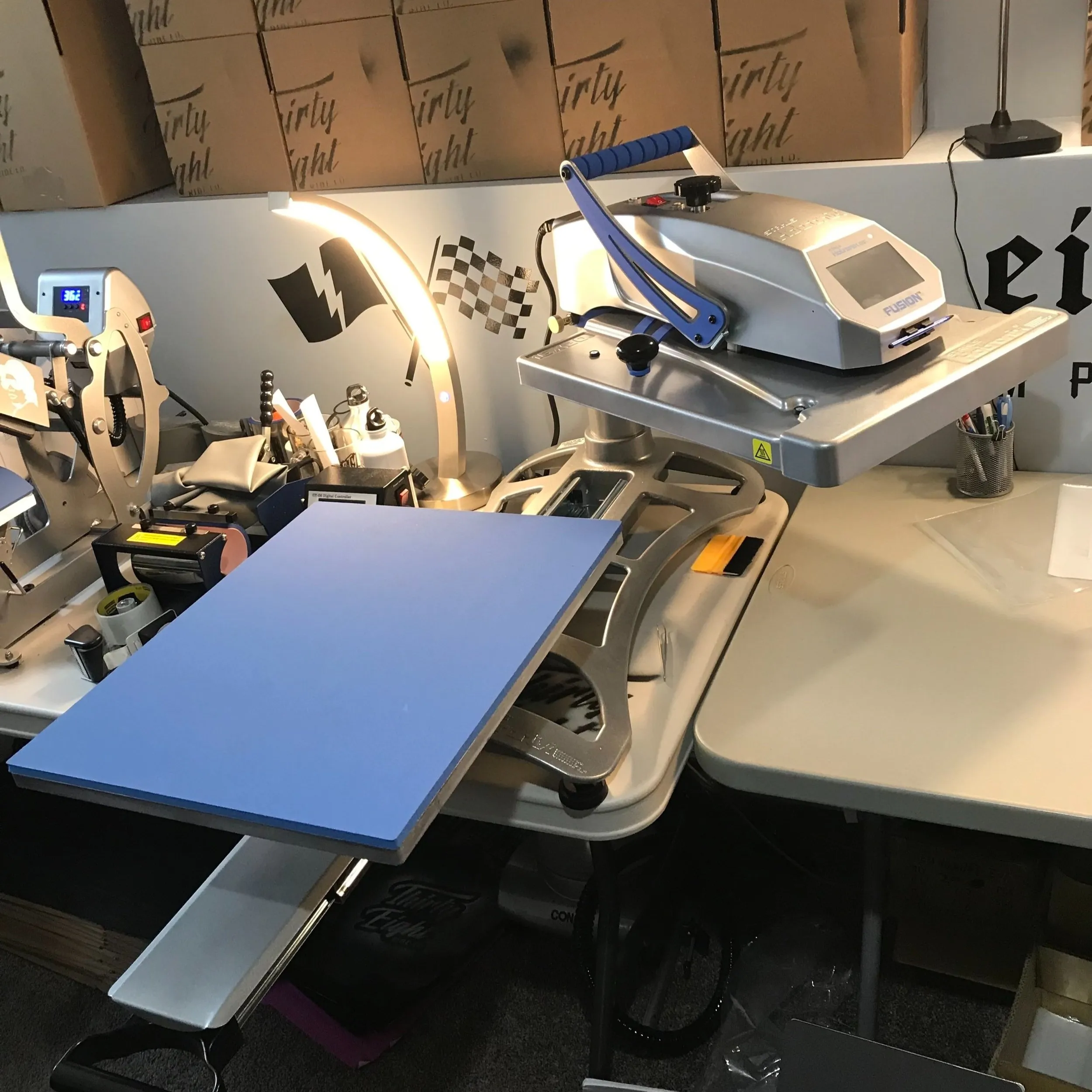
Every machine had one job: make enough money to buy the next machine. I made hats. Decals. Mugs. Bottles. Shirts. Bags. Anything somebody was willing to pay me to make.
What started as a way to control the quality of my own clothing brand slowly turned into people asking me to make things for them. Then their businesses. Then their friends' businesses.
I realized this could become something much bigger than I originally planned. That was the beginning of Rogue Lab.
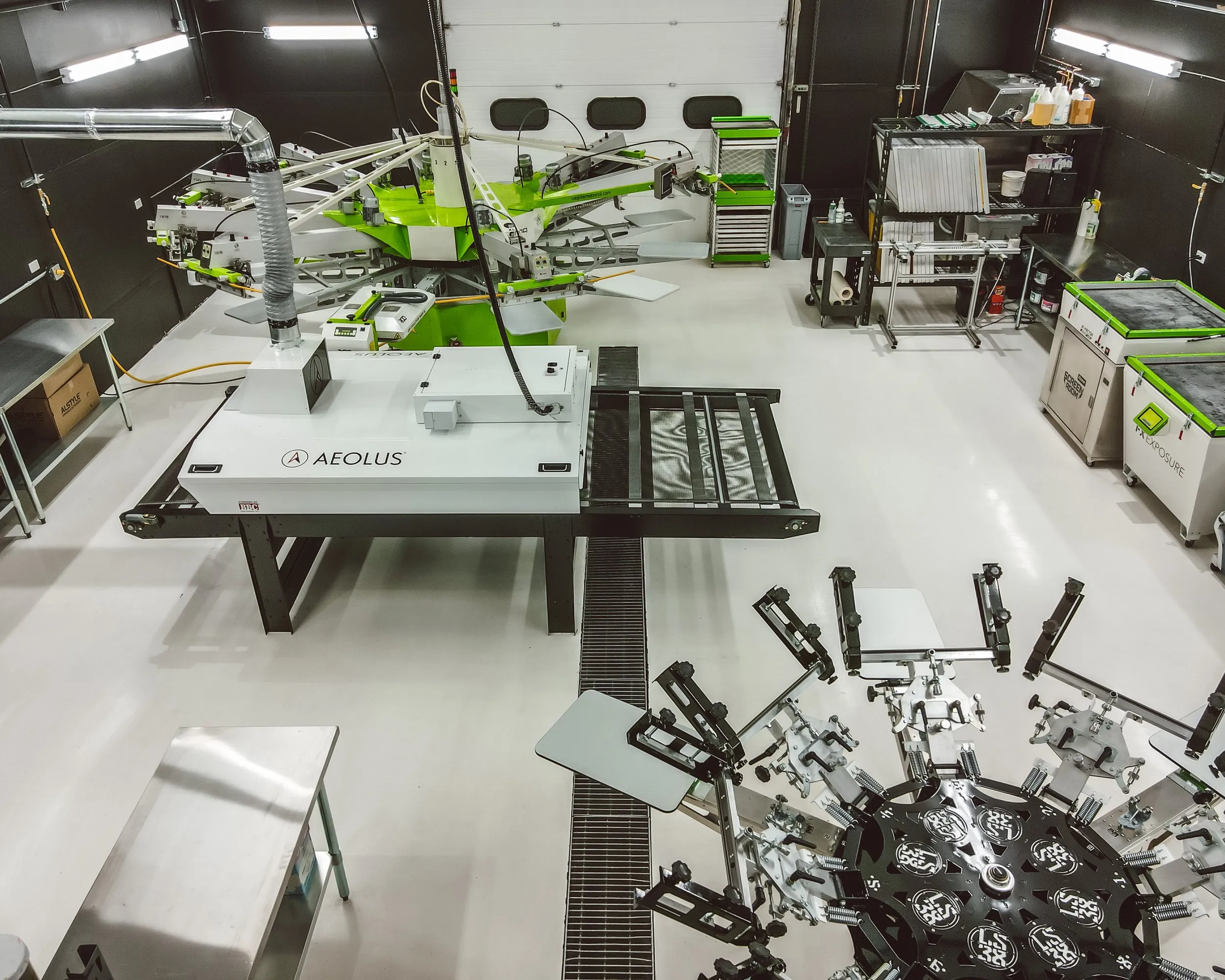
In 2018 I decided to go all the way. I knew that the next step to take this thing into the realm of a professional shop and to make the best product I could for my brand, was to start screen printing. Instead of buying a little starter screen printing kit and seeing if I liked it as most normal people would do, I spent everything I had made at that point, upwards of $30,000 on professional equipment despite having absolutely no fucking idea how to screen print. It was a "burn the boats" situation.
An eight-colour press. Conveyor dryer. Flash. Exposure equipment. Reclaim equipment. Everything I needed to do this right.
Once again, people thought I had lost my mind. There was another small problem. I had nowhere to put any of it.
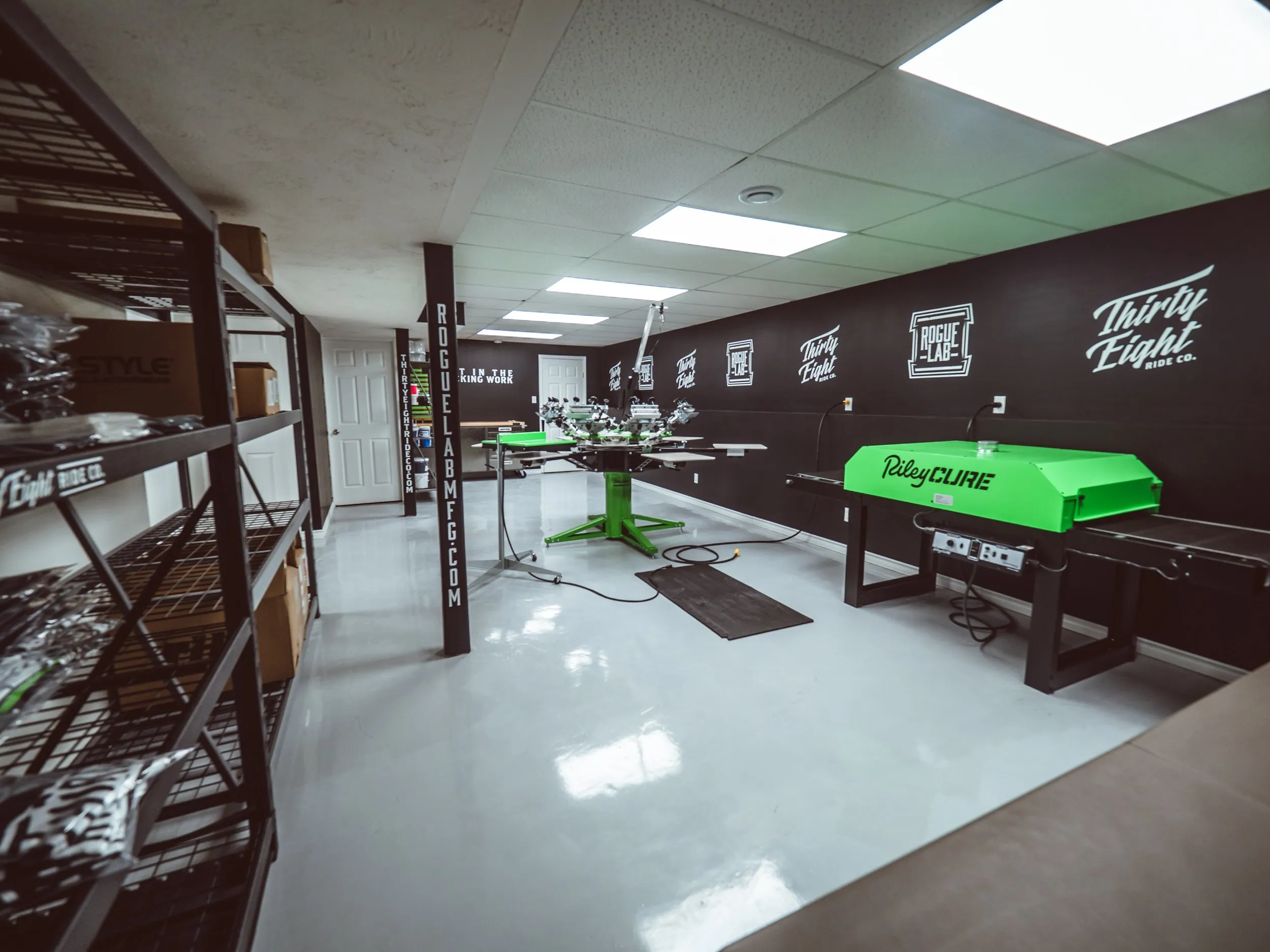
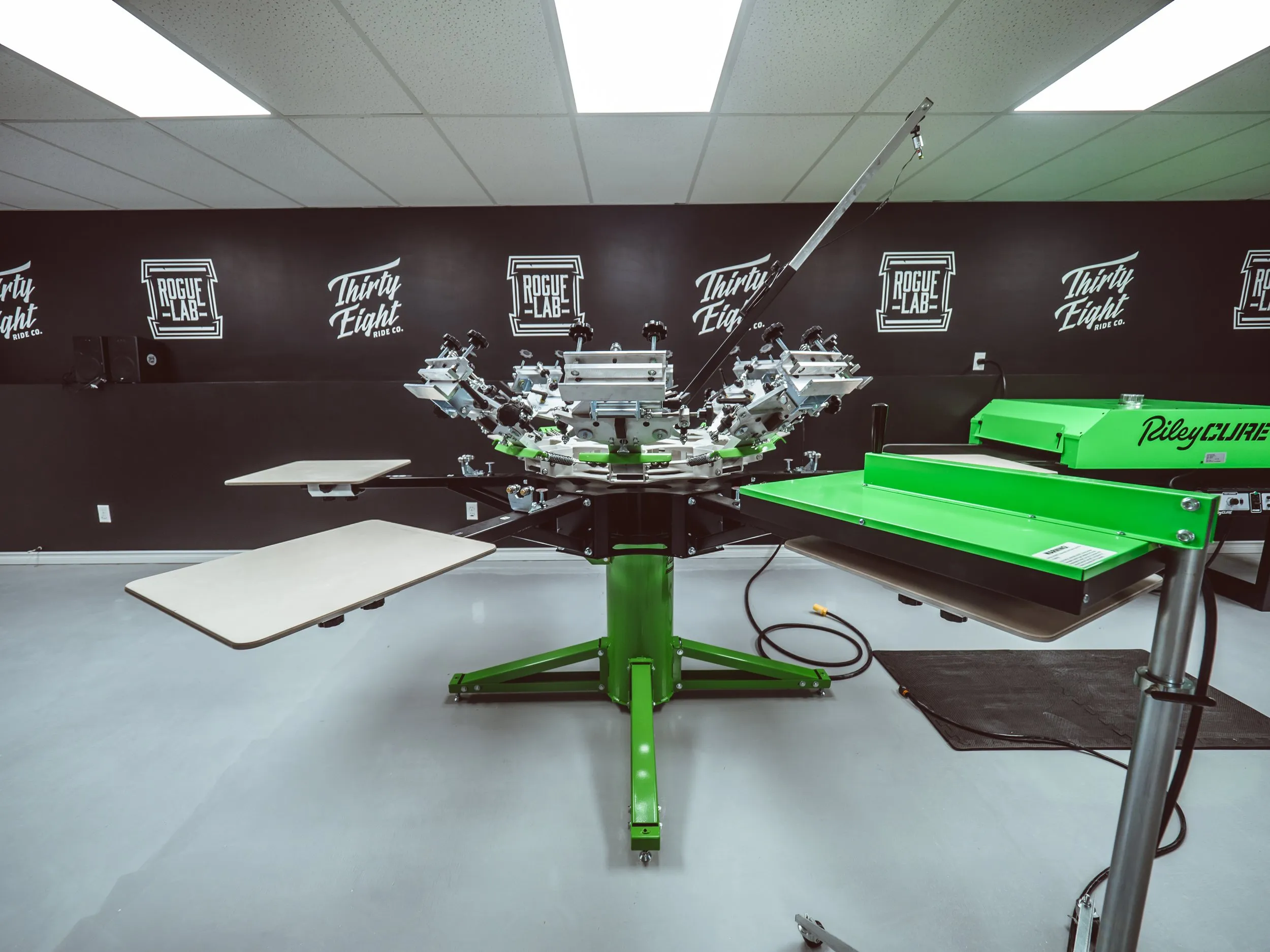
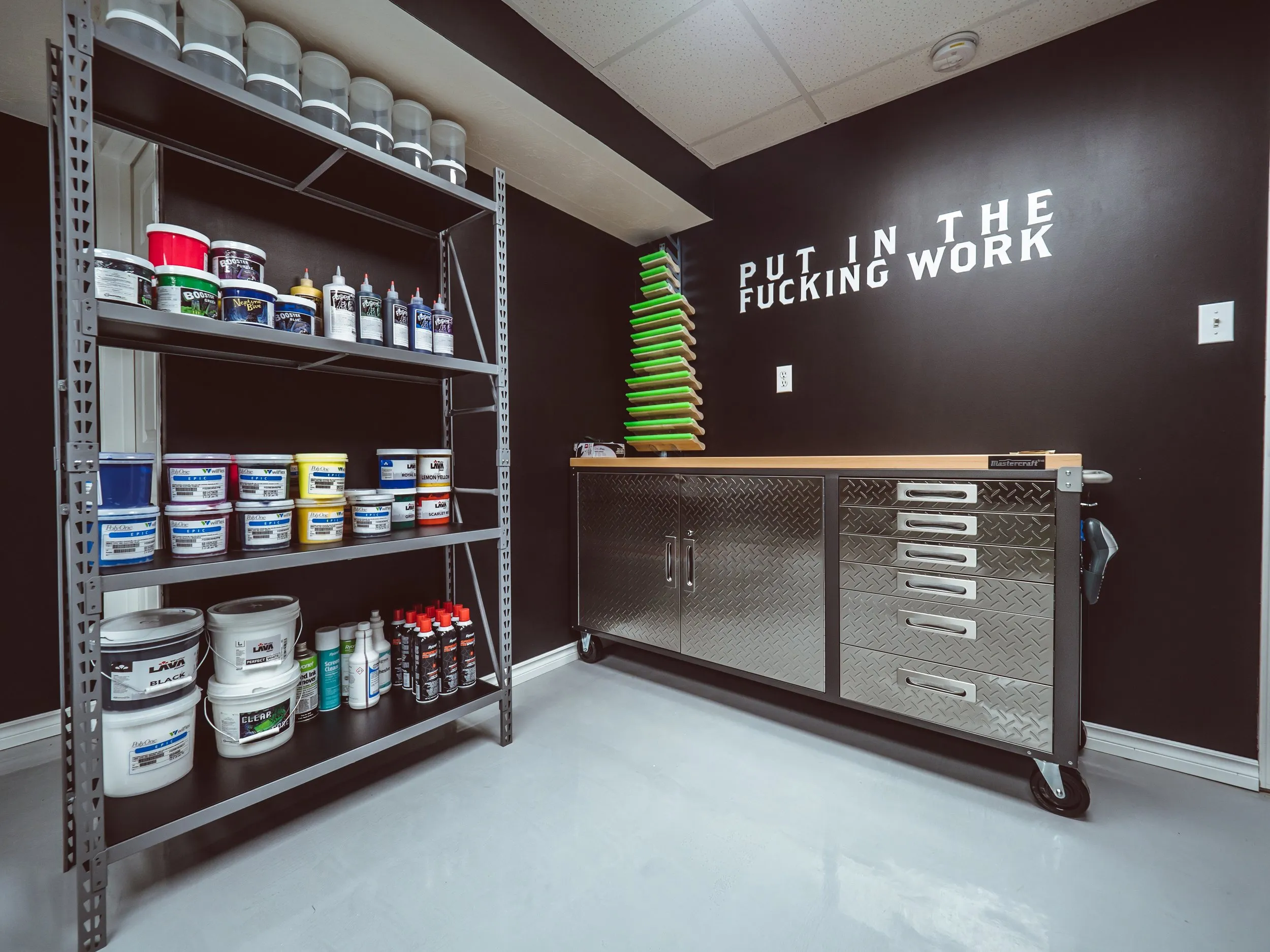
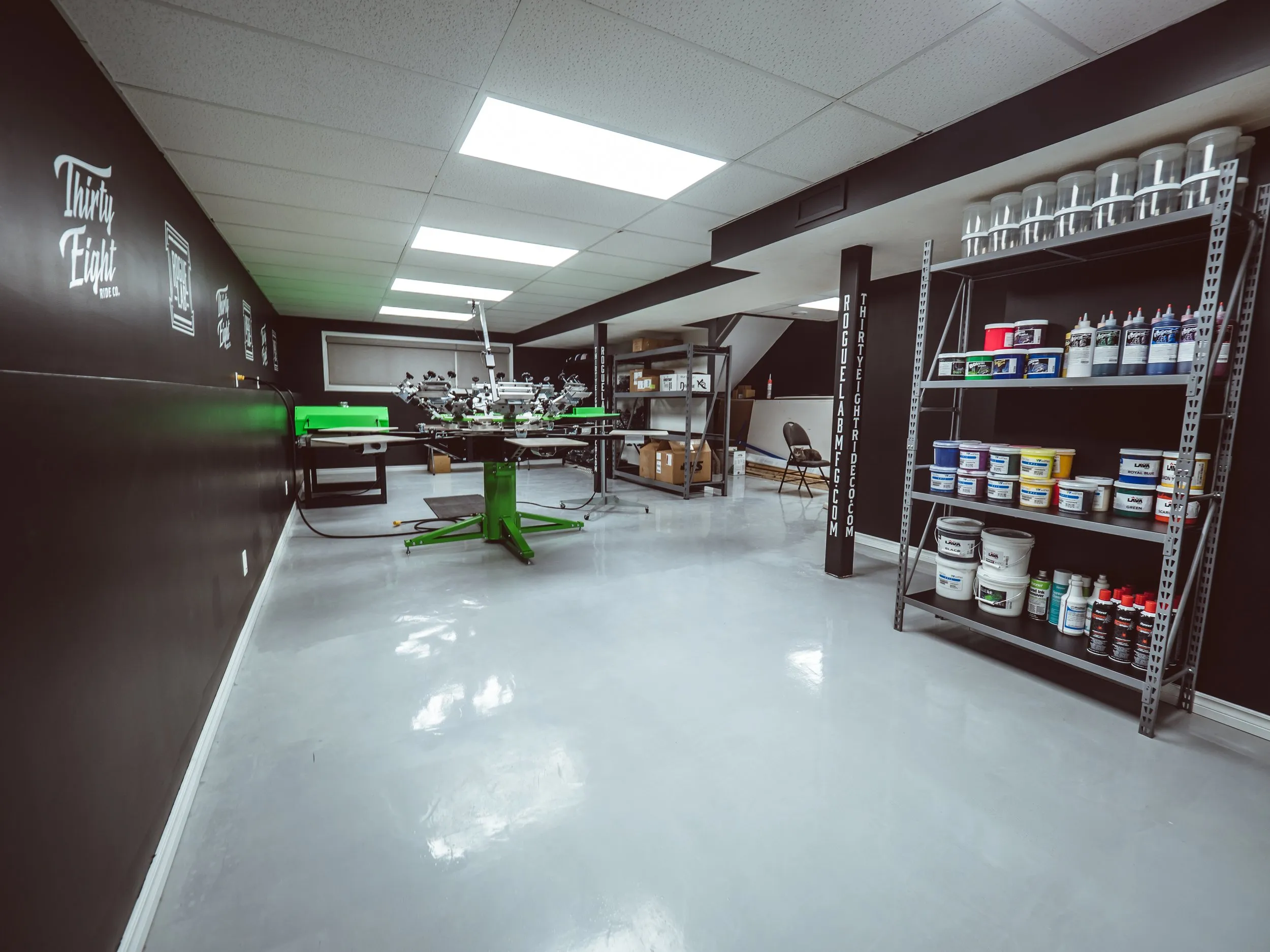
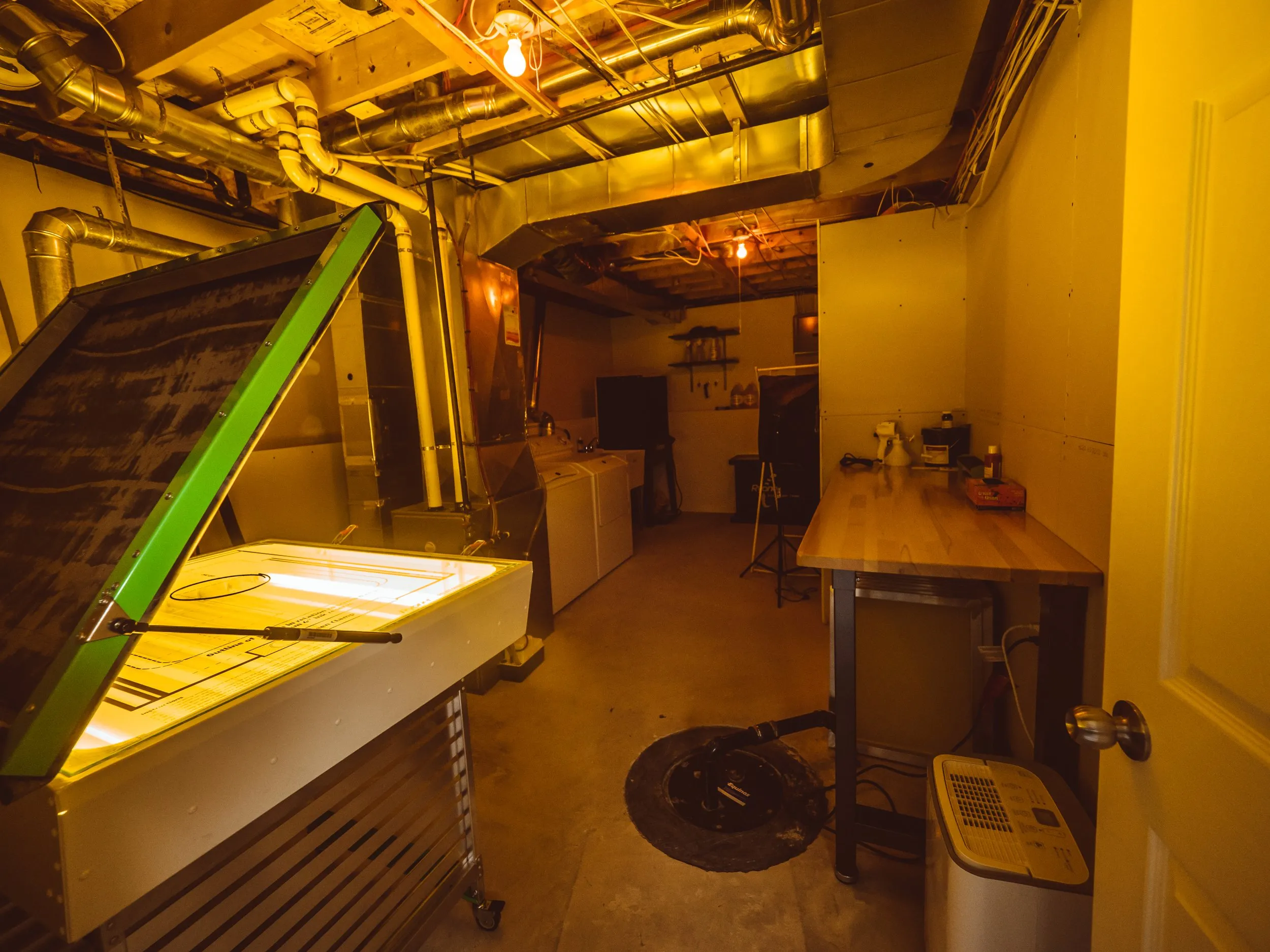
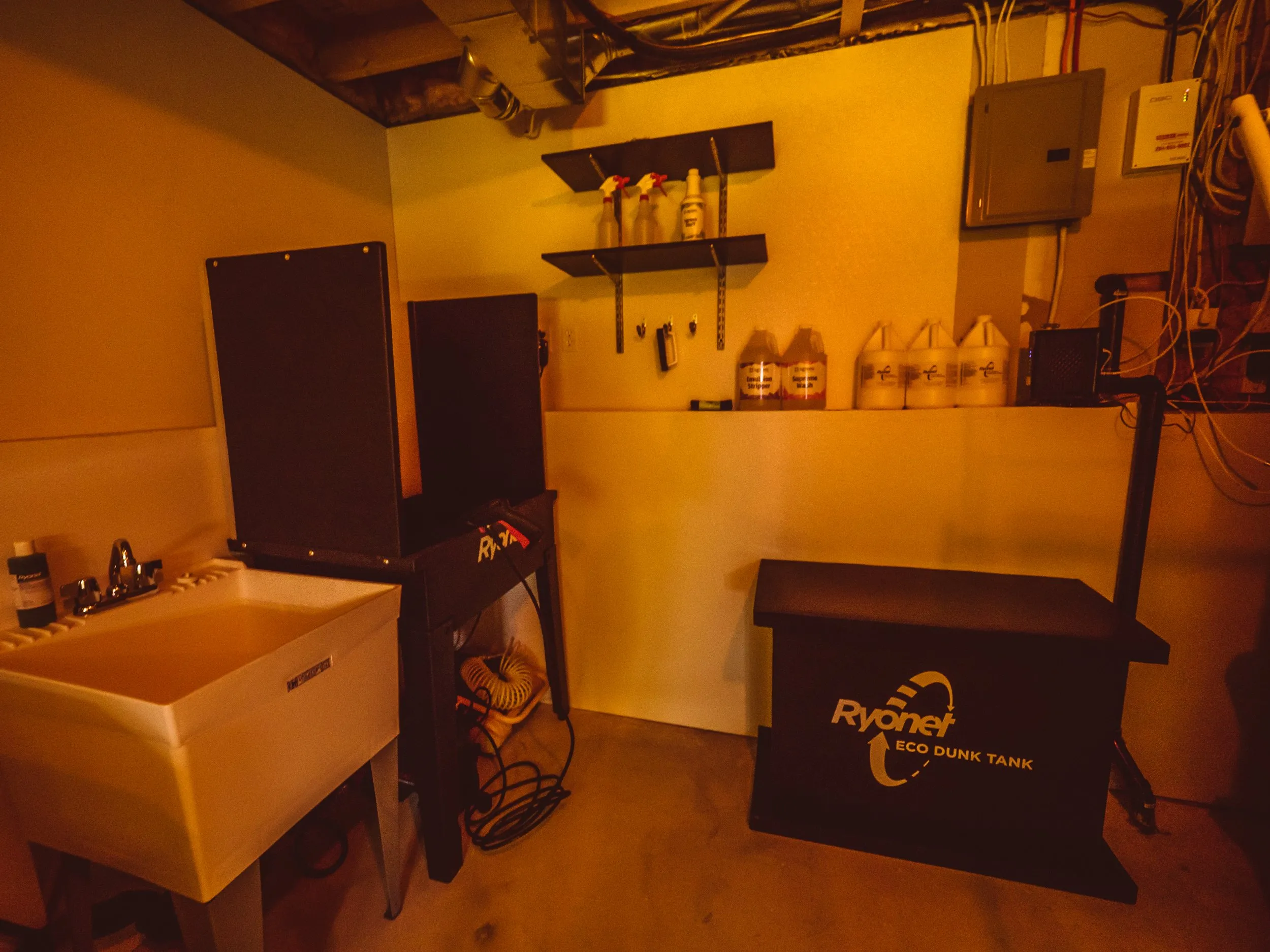
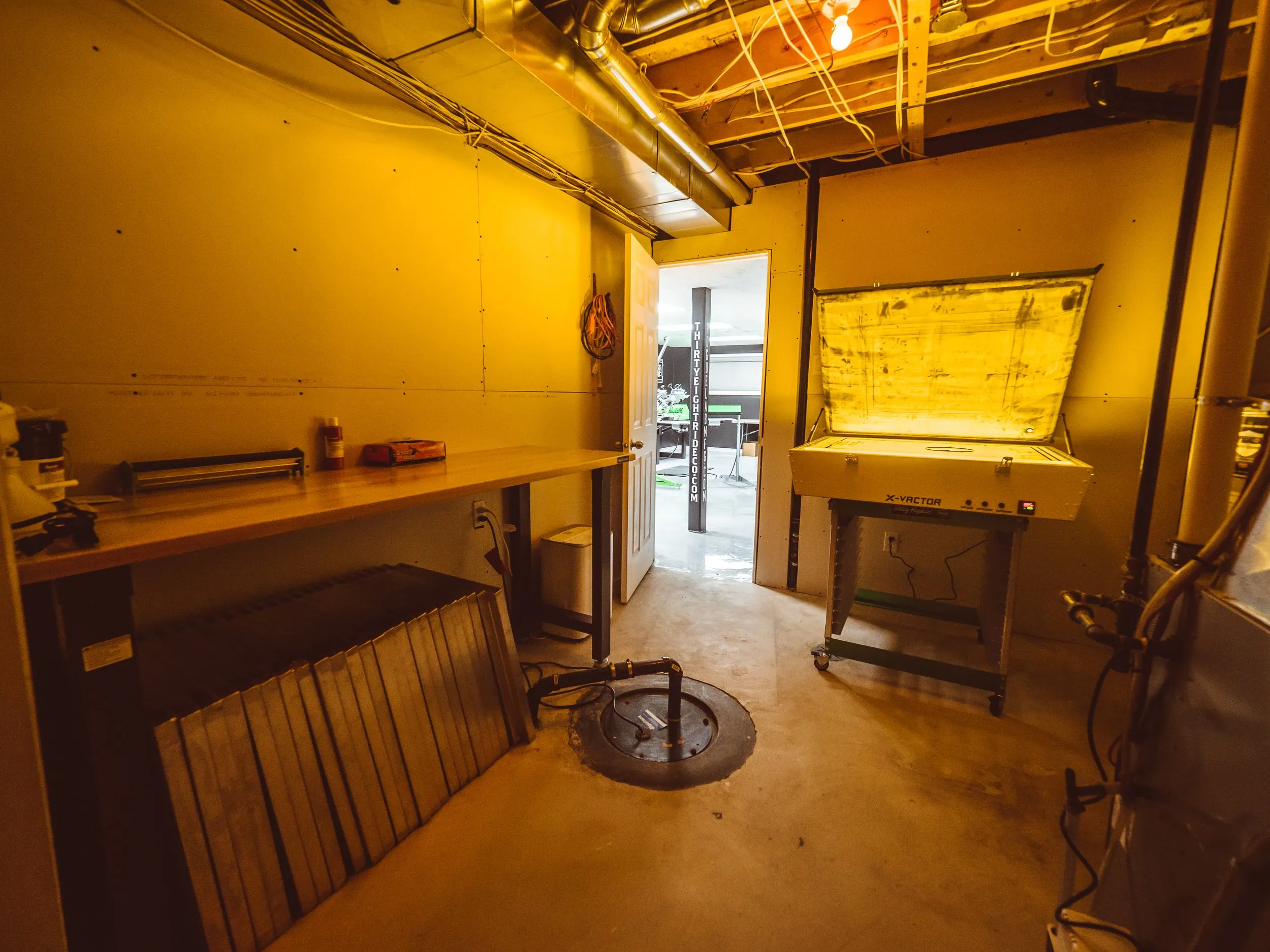
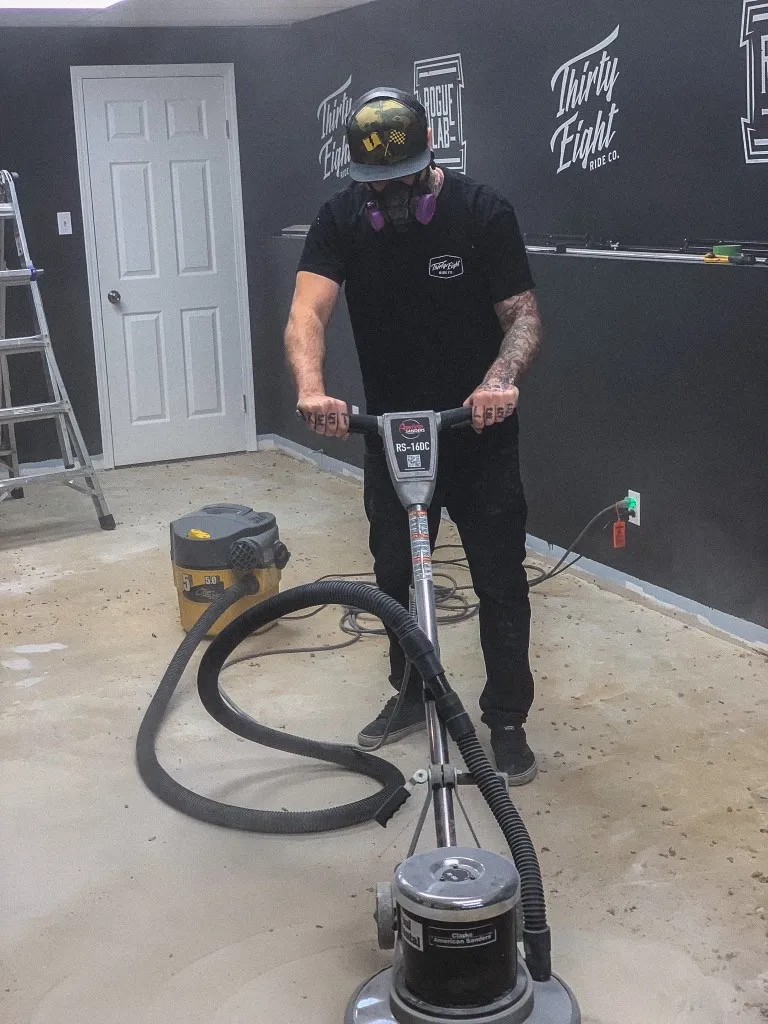
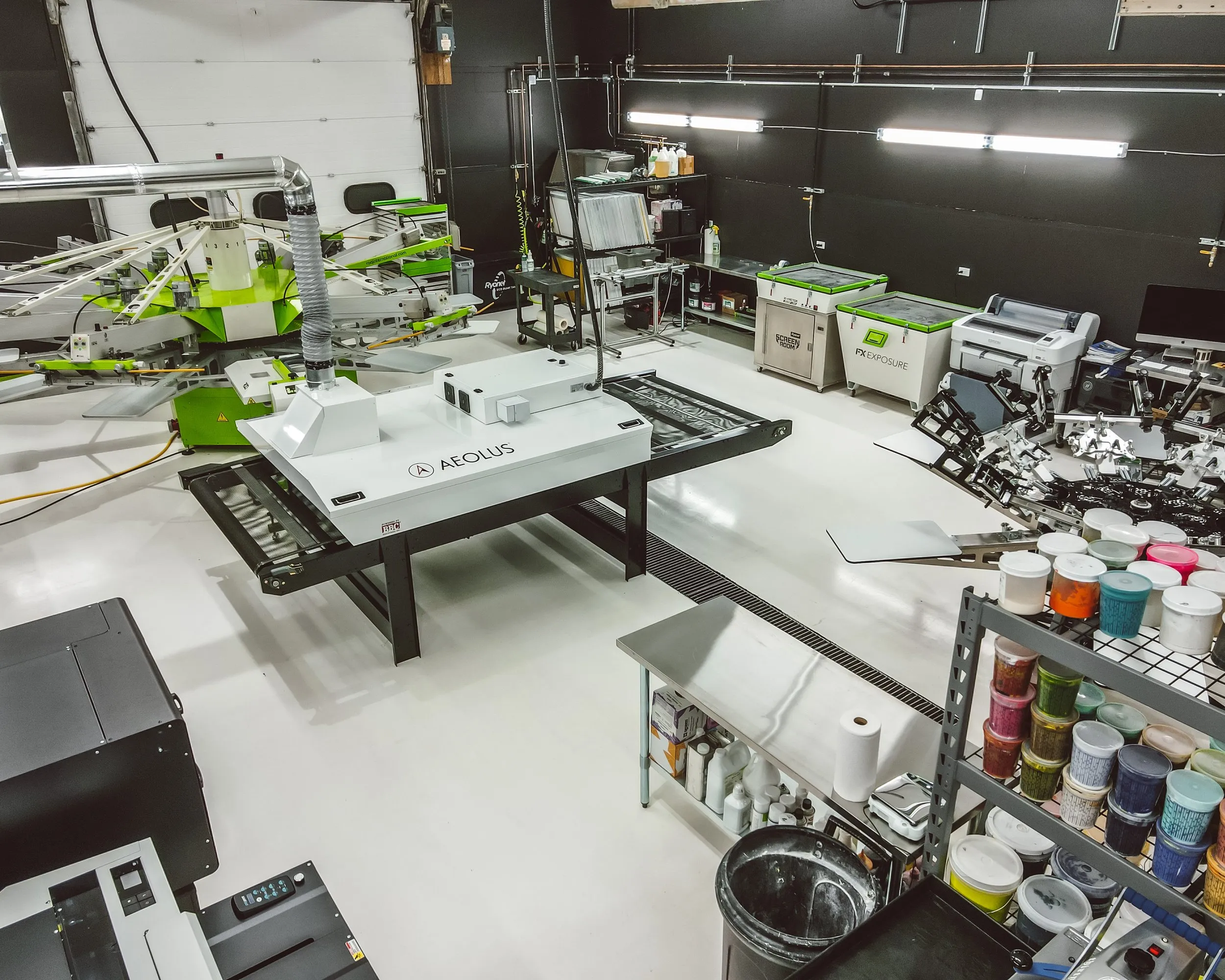
I couldn't afford a commercial building because I had just spent all of my money on equipment. So I tore apart the basement of my house.
Carpet came out. Walls came down. Concrete got ground. Plumbing and electrical went in. I painted everything, epoxied the floors and basically rebuilt the entire basement into the cleanest little professional print shop I could create.
I wanted people watching my videos and customers buying from me to see that being small didn't mean being shitty. I wanted to present like a pro.
When the truck finally showed up with the screen printing equipment, I turned the camera back on. I hadn't really been making motorcycle videos anymore because almost all of my time was going into the business.
So I made a decision that probably looked completely insane from the outside. I decided to stop making motorcycle content and start making videos that documented my journey building this business.
My audience fucking hated it. I lost around half of my subscribers. The comments were brutal. People told me I had destroyed the channel. They were there for motorcycles, not some idiot learning how to print T-shirts in his basement.
I didn't give a shit. I kept going anyway.
I documented everything. Not just the things that worked. The mistakes. The bad prints. The equipment problems. The stupid decisions. The moments where I had absolutely no idea what I was doing.
There has always been way too much bullshit online where everybody wants to look successful all the time. Everything is always polished and everyone is happy. That's never interested me and it isn't reality, especially in business. So the rules I set out for myself were simple. If something goes wrong, I show it. If I fuck something up, I talk about it. If I learn something that might save somebody else the same headache, I share it.
People started connecting with that. The channel grew back one subscriber at a time and I was gaining traction.
Then I released a full tour of that little basement shop. That video took off. Suddenly people all over the world were watching this tiny print shop I had built underneath my house.
The subscriber count that had dropped from around 20,000 to 10,000, shot past 40,000 in a hurry. Apparently changing direction hadn't killed the channel after all. It had just taken it somewhere better. Into a lane that I created, not one that I was trying to fit into.
And Rogue Lab kept growing right along with it. It grew past the Thirty Eight Ride Co. brand quickly, to the point that I had a decision to make: keep trying to chase both dreams and stay where you are, or pick one and see how far you can go. As much as I loved the clothing brand, I knew in my gut that the long term play was Rogue Lab. Clothing brands come and go every day, but they always need a shop to make their stuff. So I shut down Thirty Eight Ride Co. and went all in.
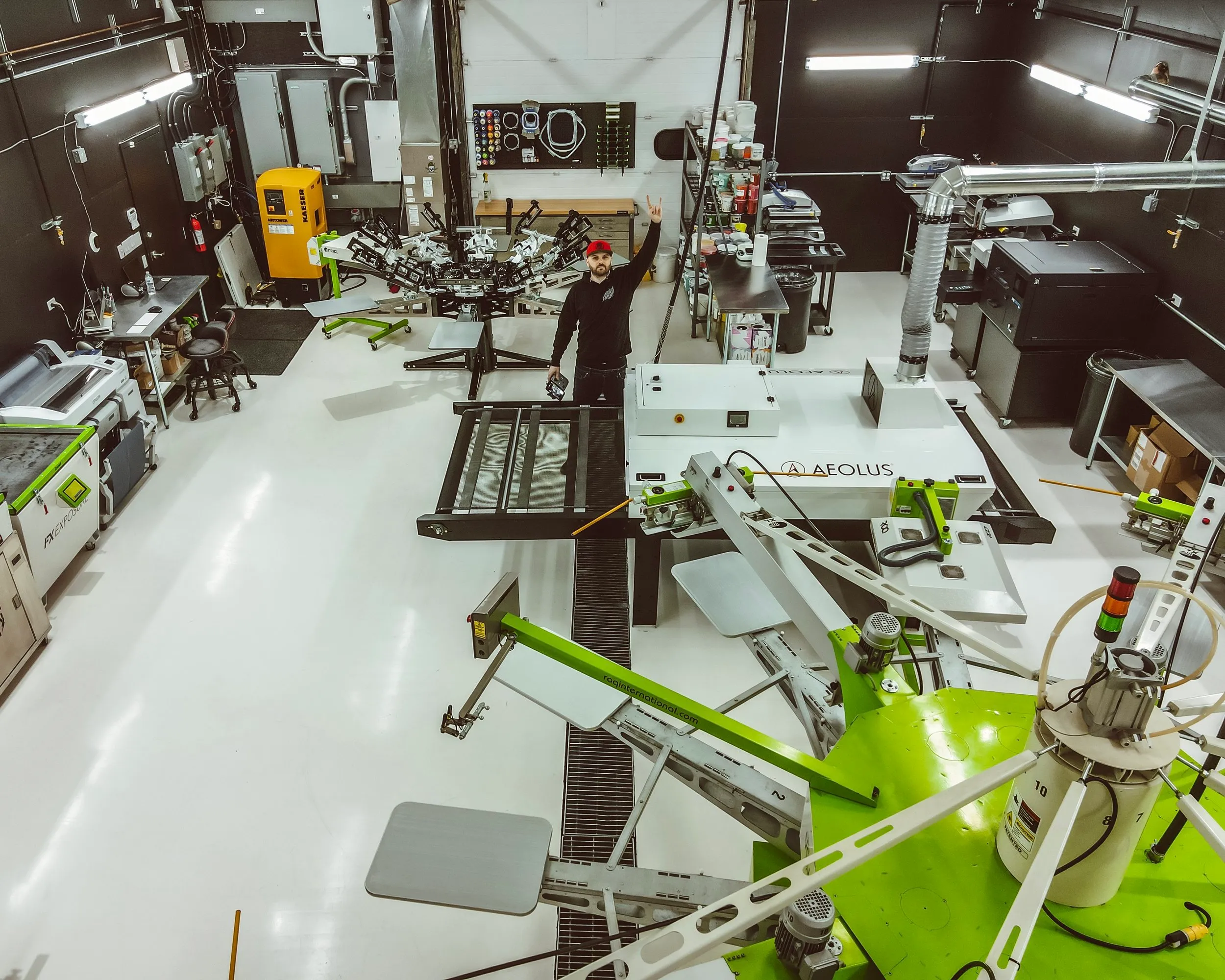
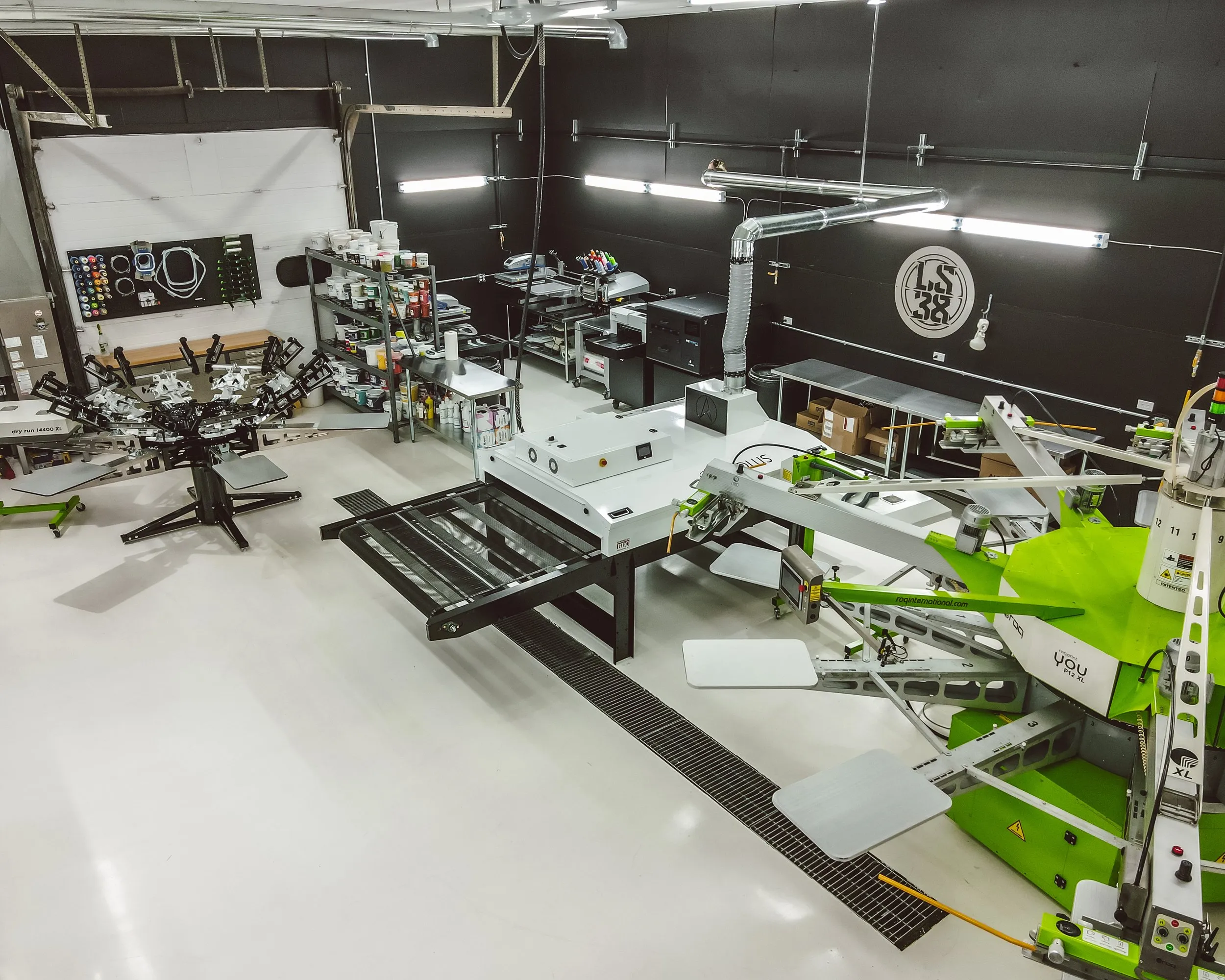
The basement filled up quick, every available inch of space was used. Then I needed more equipment. Then more room. Then employees. Then more equipment again. Then more employees. You get the picture.
What started because I couldn't find somebody who could print my own shirts properly became a real decorated apparel company producing work for thousands of customers.
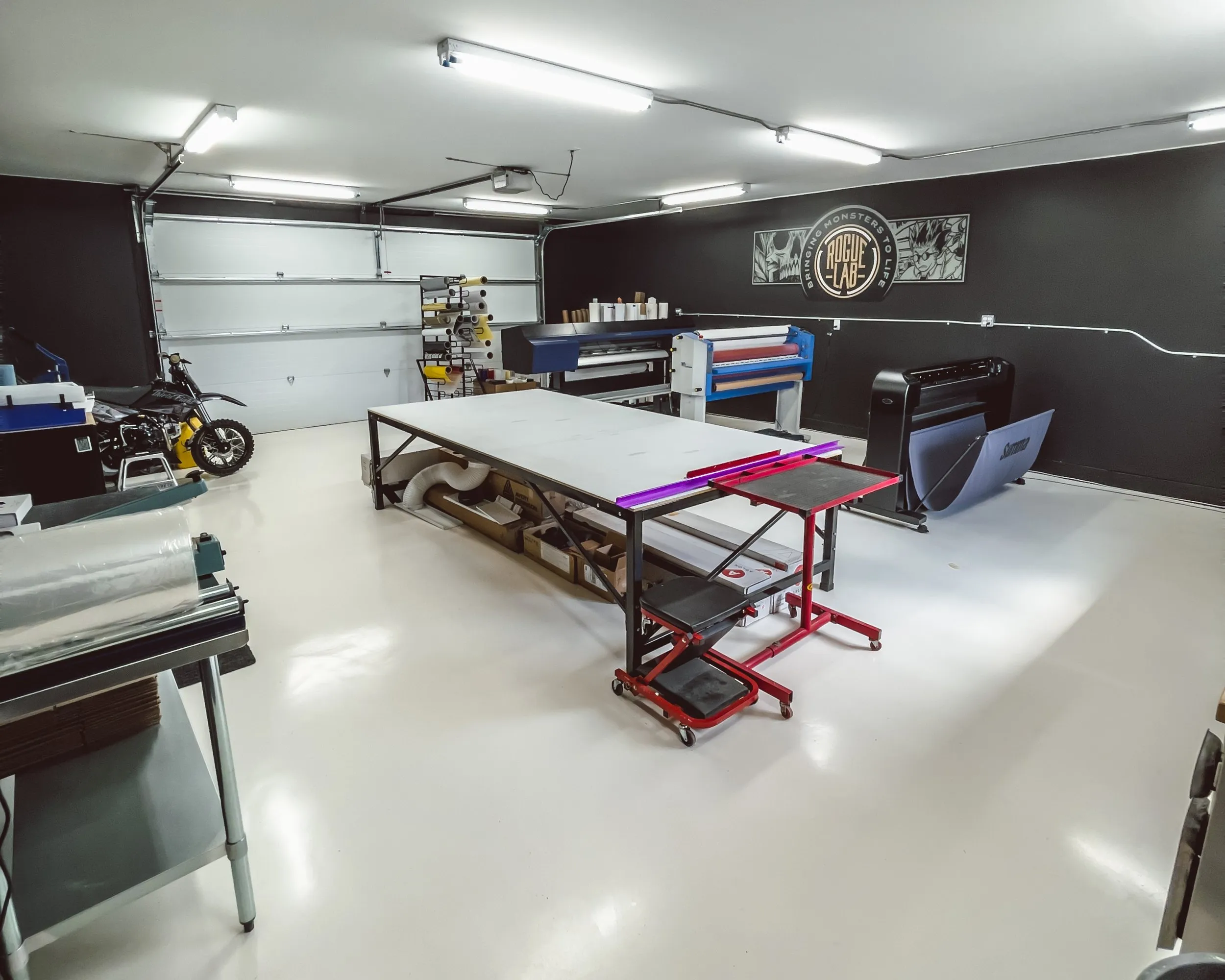
Screen printing turned into embroidery, DTF, stickers, patches, wide-format printing, laser engraving, graphic design and a pile of other things I definitely wasn't thinking about when I bought that first hat press.
The equipment got bigger. The jobs got bigger. The clients got bigger. The mistakes also got more expensive.
And somewhere along the way, I had to learn that being good at making things and being good at running a business are two completely different skills. That might have been the hardest part of all of it.
I had to learn how to hire people. How to lead. How to build systems. How to price things properly. How to let other people do work that I used to insist on doing myself. How to stop building a business that depended on me touching absolutely everything.
I'm still learning more every single day, but I love this game.
By this point, Rogue Lab looked nothing like the company I started in my basement, but the reason for it to exist hadn't changed. I wanted to make better work. I wanted to do things other shops said couldn't be done. And I wanted to build the kind of company I wished existed when I was the customer.
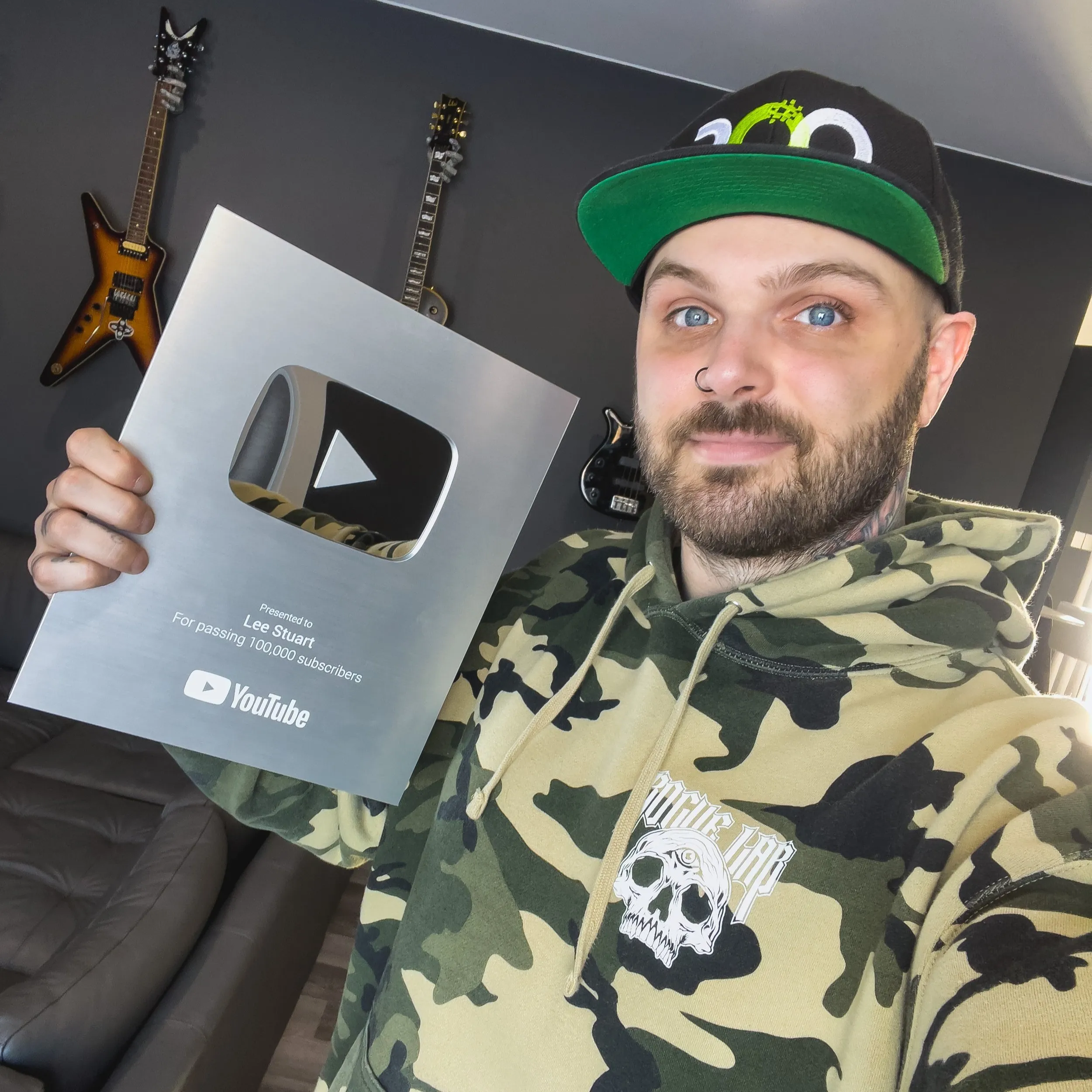
At the same time, the YouTube channel kept growing. Somehow the guy who started uploading motorcycle videos became the first printing-focused creator to cross 100,000 subscribers on YouTube.
Today there are around 127,000 people subscribed to the channel with multiple millions of views and a total social reach of over 200k people. Which is still fucking weird to think about, to be honest. I've been able to work with companies I respected long before I ever entered this industry, develop signature equipment, teach, meet shop owners from all over the world and build relationships with people I probably never would have met otherwise. Not bad for a basement shirt printer.
01 / 04
Along the way another business came out of it. Rogue Transfers.
After spending years inside the print industry, I was having the same frustrations again where relying on suppliers for DTF transfers was becoming an issue and I already knew that other decorators were feeling the same thing.
So I did what I did once before, started making them myself. What began as another extension of what we were already doing has grown into its own business serving other printers, brands and creators with transfers, stickers, patches and supplies they could depend on.
At the same time, one of the things I kept hearing repeatedly over the years was people telling me they had started printing because of my videos, fixed problems in their shop because of something I showed, or built a better business because I shared what I was learning along the way.
That has always been one of the coolest parts of doing any of this, and eventually it became obvious that there was an opportunity to take it further.
That led to The Rogue Academy.
For years I had been giving away everything I could through YouTube, social media and the Rogue Printers community. But there is only so far you can go in a 10-20 minute video.
As Rogue Lab grew, I became just as obsessed with the business behind the printing as I was with the printing itself. Production systems. Pricing. Workflow. Training. Leadership. Efficiency. Figuring out how to grow without creating a bigger and bigger disaster for yourself in the process.
In 2026 I launched Rogue Academy to take all of that further.
The goal isn't to stand on the internet pretending I have every answer. I don't.
The goal is to take the things I've spent years learning the hard way, combine them with what I'm still learning while running my own companies, and use that experience to help other shop owners build something better, faster.
Because I've made a ridiculous number of mistakes getting here. Might as well make them useful.
So where does that leave things today?
Rogue Lab is bigger than it has ever been and still growing. Rogue Transfers is growing alongside it. The Rogue Academy is just getting started. The YouTube channel is still here.
I'm still making things. Still learning things. Still occasionally buying equipment before I've completely figured out where I'm going to put it.
And we're working toward the next major step for Rogue Lab: a purpose-built facility with enough room to finally bring everything together properly and give the company space to become the juggernaut that I know it can be.
If you had shown 15-year-old me where all of this was going, there is absolutely no chance I would have believed you. Actually, I'm not sure 25-year-old me would have believed you either.
The weird part is that when I look back at all of it, none of these chapters really seem connected. Professional freestyle rider. Motorcycle mechanic. Failed bike shop owner. YouTuber. Clothing brand. Screen printer. Business owner.
But they are.
Everything taught me something I needed for whatever came next. Riding taught me how to take risks. Working on motorcycles taught me how much the details matter. The failed bike shop taught me that I needed discipline.
YouTube taught me how to communicate and tell a story. The clothing brand led me to printing. Printing led me to Rogue Lab. Rogue Lab led to Rogue Transfers. Years of building all of it and sharing what I learned eventually led to The Rogue Academy.
And I'm definitely not finished.
There are bigger things I want to build, more things I want to learn and plenty of ways I still want to improve the businesses I already have and this industry that I love.
So this story doesn't really have an ending yet. But if you've made it all the way down here, there is one thing that has been consistent through every version of it.
None of it happened because I had some secret. I just kept going.